Collision Insurance Deductibles: Choosing the Right Amount

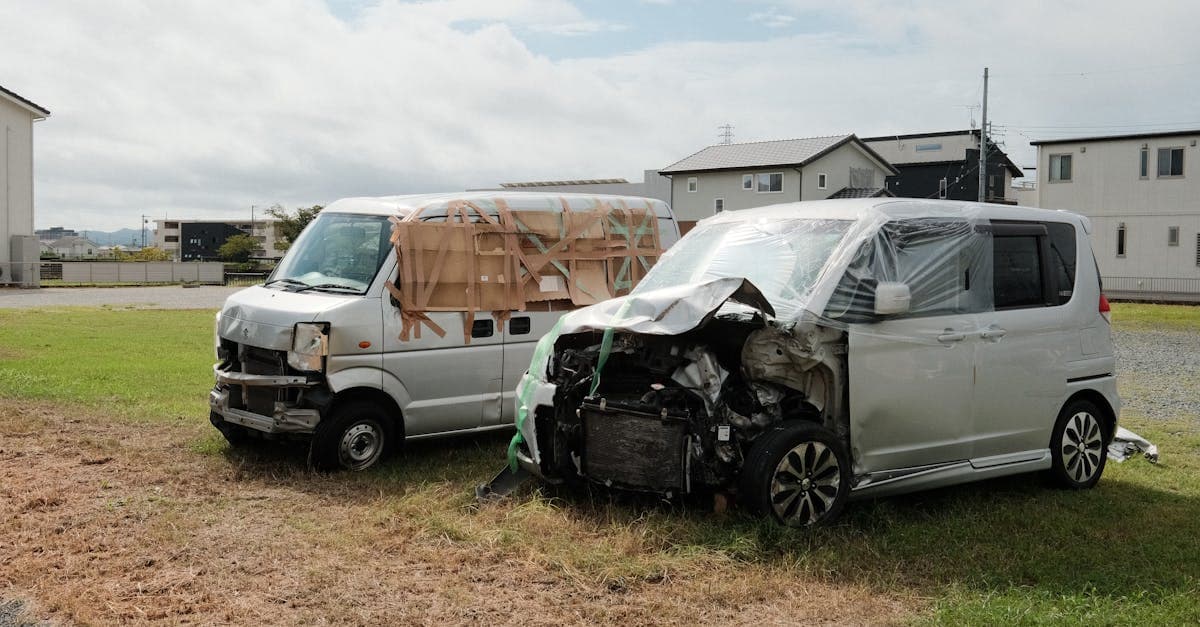
Here is collision insurance in thirty seconds: it pays to repair or replace your vehicle when it hits another vehicle or object, regardless of who caused the accident. You pay a deductible, the insurer covers the rest up to your vehicle's actual cash value.
Now here is why those thirty seconds are not enough. Collision coverage involves decisions about deductibles, timing, claim strategy, and whether to carry the coverage at all — decisions that can save or cost you thousands of dollars over the life of your vehicle.
The quick rules of thumb: carry collision coverage on any vehicle you cannot afford to replace out of pocket. Choose a deductible that matches your emergency fund — $500 if your savings are modest, $1,000 if you can absorb that cost comfortably. Consider dropping collision when your annual premium exceeds 10 percent of your vehicle's current value.
But rules of thumb only go so far. Your specific situation — your vehicle, your driving environment, your financial position, your loan status — determines the right collision coverage strategy. A new car with a loan demands different treatment than a paid-off vehicle with 100,000 miles.
This guide covers everything from basic definitions to advanced claim strategies. Whether you are buying collision coverage for the first time, reviewing your current policy, or deciding whether to drop it on an aging vehicle, you will find the information you need to make a confident decision.
How Your Credit Score Affects Collision Insurance
The evidence is clear. In most states, insurers use credit-based insurance scores as a factor in pricing collision coverage. Understanding this relationship helps you manage your total collision insurance cost.
What is a credit-based insurance score? It is a score derived from your credit history that correlates statistically with the likelihood of filing an insurance claim. It is not identical to your FICO credit score but uses similar underlying data — payment history, outstanding debt, length of credit history, and new credit inquiries.
How much does credit affect your collision premium? The impact is significant. Drivers with poor credit-based insurance scores may pay 40 to 100 percent more for collision coverage than drivers with excellent scores. In dollar terms, this can mean $200 to $500 more per year for identical collision coverage on the same vehicle.
States that prohibit credit-based pricing: California, Hawaii, Massachusetts, and Maryland prohibit or severely restrict the use of credit information in auto insurance pricing. If you live in one of these states, your credit score does not affect your collision premium.
Improving your insurance score: The same habits that improve your credit score improve your insurance score — paying bills on time, keeping credit card balances low, avoiding unnecessary new credit applications, and maintaining long-term credit accounts. These improvements can take six to twelve months to reflect in insurance pricing.
Shopping around matters more with lower credit. Credit-based insurance scores affect different insurers to different degrees. If your credit is less than excellent, comparing quotes from multiple insurers is especially important because the credit penalty varies significantly between companies.
How to Compare Collision Insurance Quotes Effectively
This brings us to a critical distinction. Collision insurance premiums can vary by 30 to 50 percent between insurers for identical coverage. Effective comparison shopping requires looking beyond the headline premium to understand what you are actually getting.
Ensure identical coverage levels. When comparing quotes, verify that each quote has the same deductible, same vehicle information, and same driver details. A lower quote with a higher deductible is not a true comparison.
Compare claim service quality. A low premium means little if the claim experience is poor. Research each insurer's claim satisfaction ratings through J.D. Power, Consumer Reports, and state insurance department complaint databases. A responsive, fair claims process is worth a modest premium difference.
Evaluate the repair network. Insurers with strong direct repair programs offer streamlined claim experiences and guaranteed repairs. Ask about the number and quality of preferred shops in your area. A limited repair network can mean longer wait times and more inconvenience after an accident.
Ask about OEM parts policies. Some insurers specify aftermarket parts on collision repairs to reduce costs. If OEM parts matter to you — especially for newer vehicles — ask each insurer about their parts policy and whether you can request OEM parts.
Factor in available discounts. Each insurer offers different discount combinations. One insurer may offer a better base rate while another offers superior multi-policy, safe driver, or safety feature discounts. Calculate the total premium after all applicable discounts for the most accurate comparison.
Check rate stability history. An insurer with low rates today but a history of large annual increases may cost more over three to five years than one with slightly higher but stable rates. Ask about recent rate change history or check your state's insurance department for filed rate information.
How Fault Affects Your Collision Claim
This brings us to a critical distinction. One of the most important features of collision insurance is that it pays regardless of who caused the accident. Whether you are at fault, the other driver is at fault, or fault is shared, your collision coverage repairs your vehicle.
At-fault accidents: When you cause the collision, your collision coverage is the only way to pay for your vehicle repairs. The other driver's liability insurance covers their vehicle and injuries, not yours. Without collision coverage, you absorb the full repair cost yourself.
Not-at-fault accidents: When another driver causes the collision, you have two options. You can file under the other driver's liability insurance and pay no deductible — but this process can take weeks or months while fault is investigated. Or you can file under your own collision coverage, pay your deductible, get repairs started immediately, and let your insurer pursue the at-fault driver through subrogation to recover costs.
Shared fault scenarios: In states that use comparative negligence, fault is divided between drivers. If you are 30 percent at fault, you can recover 70 percent of your damages from the other driver's liability insurance. Your collision coverage fills the remaining gap, minus your deductible.
Fault and premium impact: While collision coverage pays regardless of fault, at-fault claims typically increase your premium at renewal by 20 to 40 percent. Not-at-fault claims generally do not increase your rate, though policies vary. This distinction makes fault determination financially significant even when collision coverage applies either way.
The strategic advantage of collision coverage: Having your own collision coverage gives you negotiating leverage and timeline control. You are not dependent on the other driver being insured, cooperative, or honest about the accident circumstances.
Collision Insurance and Auto Loans: Lender Requirements
Consider the implications. If you finance or lease a vehicle, your lender has a financial interest in that vehicle and requires you to protect it. Collision coverage is the kitchen safety protocol that prevents collision costs from spoiling your finances that lenders mandate to secure their investment.
Standard lender requirements: Virtually every auto lender requires collision coverage for the life of the loan. The typical requirement includes collision with a maximum deductible of $500 or $1,000, comprehensive coverage, and the lender listed as a lienholder on the policy.
What happens if you drop coverage: If you cancel collision coverage or let your policy lapse, your lender will know — insurers notify lienholders of policy changes. The lender will then purchase force-placed insurance on your behalf. This coverage is significantly more expensive than standard collision insurance and protects only the lender's interest, not yours.
Lease requirements are even stricter. Lease agreements typically require collision with a low deductible (often $500 maximum), comprehensive coverage, and sometimes gap coverage. Since the leasing company owns the vehicle, they set the insurance terms, and failure to comply can trigger lease default provisions.
Matching coverage to loan balance: As you pay down your loan and your vehicle depreciates, a gap can develop between your loan balance and the vehicle's actual cash value. If your vehicle is totaled early in the loan, the collision payout may not cover what you owe. Gap insurance or new-car replacement endorsements address this vulnerability.
The refinancing opportunity: If you refinance your auto loan, review the new lender's coverage requirements. Some lenders accept higher deductibles, which can lower your premium. Always confirm requirements in writing before changing your collision coverage.
Collision Insurance for Leased Vehicles
The evidence is clear. Leasing a vehicle means you do not own it — the leasing company does. Their ownership interest drives strict insurance requirements, including collision coverage that serves as the kitchen safety protocol that prevents collision costs from spoiling your finances for their asset.
Standard lease collision requirements: Most leases require collision coverage with a maximum deductible of $500. Some luxury brands or specific lease programs may require $250. These requirements are non-negotiable — they are written into the lease contract.
The cost impact: Lease collision requirements often force drivers into lower deductibles than they might otherwise choose, resulting in higher premiums. This additional cost should be factored into your total lease budget when comparing leasing to buying.
Gap coverage and leases: Many lease agreements include gap coverage — meaning if the vehicle is totaled, the leasing company absorbs the difference between the ACV payout and the remaining lease balance. Verify whether your lease includes gap coverage before purchasing it separately. If it is not included, gap coverage is particularly important for leased vehicles.
End-of-lease damage considerations: When you return a leased vehicle, the leasing company charges for damage beyond normal wear and tear. Some drivers file collision claims for significant damage before returning the vehicle to avoid end-of-lease charges. Be aware that filing claims can affect your insurance rates and claim history.
Excess wear-and-tear coverage is an optional product offered by some leasing companies that covers end-of-lease damage charges. This is separate from collision insurance but addresses a related concern. Compare the cost of this coverage against the typical end-of-lease charges to determine whether it offers value.
Accident Forgiveness and Collision Insurance
This brings us to a critical distinction. Accident forgiveness programs prevent your first at-fault collision claim from increasing your premium at renewal. Understanding these programs helps you maximize the value of your collision coverage.
How accident forgiveness works: With accident forgiveness, your insurer does not apply a rate increase for your first at-fault accident. Without it, a single at-fault collision claim can increase your premium by 20 to 40 percent for three to five years — a cumulative cost of $1,000 to $3,000 or more.
Earned vs purchased accident forgiveness: Some insurers automatically provide accident forgiveness after a qualifying claims-free period — typically five to six years. Others sell it as a paid endorsement for $50 to $100 per year. The earned version costs nothing but requires patience. The purchased version provides immediate protection.
Limitations to understand: Accident forgiveness typically applies to only one accident. A second at-fault collision during the same policy period will trigger a rate increase. Some insurers forgive one accident per driver, while others forgive one per policy — an important distinction for multi-driver households.
Portability between insurers: Accident forgiveness earned with one insurer typically does not transfer to another. If you switch carriers, your new insurer sees your at-fault accident on your record and rates accordingly — even though your previous insurer forgave it. This lock-in effect should be considered when shopping rates.
State availability varies. Not all states allow accident forgiveness programs. Check whether your state permits this feature and which insurers in your area offer it. Where available, it is one of the most valuable endorsements you can add to your collision coverage.
Cost-benefit analysis: If accident forgiveness costs $75 per year and prevents a $300 annual rate increase for three years, the potential savings of $900 far exceed the cost. For drivers with otherwise clean records, the endorsement is almost always worth purchasing.
What Collision Insurance Does Not Cover
This brings us to a critical distinction. Understanding collision exclusions is just as important as understanding what is covered. These are the most common situations where collision insurance does not apply.
Theft and vandalism are comprehensive coverage claims, not collision. If someone steals your car or deliberately damages it, collision coverage will not pay. You need comprehensive coverage for these risks.
Weather-related damage without impact falls under comprehensive. Hail damage, flooding, tree branches falling on your parked car, and wind damage are all comprehensive claims. However, if a storm causes you to lose control and crash into something, that resulting impact is a collision claim.
Animal collisions are classified as comprehensive in most policies. Hitting a deer, bird strike damage, and other animal-related incidents are covered by comprehensive, not collision. This is a common point of confusion for policyholders.
Mechanical failure and wear are never covered by collision insurance. Engine failure, transmission problems, brake wear, and other mechanical issues are maintenance responsibilities, not insurance claims. Even if a mechanical failure causes an accident, the failure itself is not covered — though the resulting collision damage may be.
Personal belongings inside the vehicle damaged in a collision are not covered by auto insurance at all. Your laptop, phone, or other items in the car would be covered under your homeowners or renters policy, not your collision coverage. Many drivers assume their auto policy covers everything in the vehicle, but personal property is explicitly excluded from collision and comprehensive coverage alike.
The Future of Collision Insurance
Collision insurance is changing as vehicles, technology, and driving patterns evolve. Understanding these trends helps you prepare for the coverage decisions ahead.
Autonomous features will reduce collision frequency. As automatic emergency braking, lane-keeping assist, and eventually full self-driving technology mature, collision rates are expected to decline. This should eventually reduce premiums — but the timeline remains uncertain.
Repair costs will continue rising. Modern vehicles are increasingly complex, with sensors, cameras, and computer systems integrated into nearly every panel. A bumper that cost $800 to replace a decade ago may cost $3,000 today because of embedded technology. Higher repair costs mean higher collision premiums even as accident frequency declines.
Telematics will personalize pricing. Usage-based insurance programs that monitor actual driving behavior will increasingly replace demographic-based pricing. Drivers who demonstrate safe habits will earn lower collision premiums regardless of age, gender, or location.
Electric vehicle growth will reshape the market. As EVs become a larger share of vehicles on the road, collision insurance will adapt to their unique cost profiles. Battery-related claims, specialized repair requirements, and manufacturer-provided insurance products will change the competitive landscape.
The fundamentals will remain constant: collision insurance transfers the financial risk of vehicle damage from you to an insurer. How that transfer is priced, managed, and optimized will continue to evolve — and the informed driver will continue to benefit most.
Continue reading

Online Insurance Quotes vs Agent Quotes: Which Should You Trust?
Online quote tools offer convenience but often use default assumptions that may not match your situation. Understanding the differences between digital quotes and agent-prepared quotes helps you shop smarter.
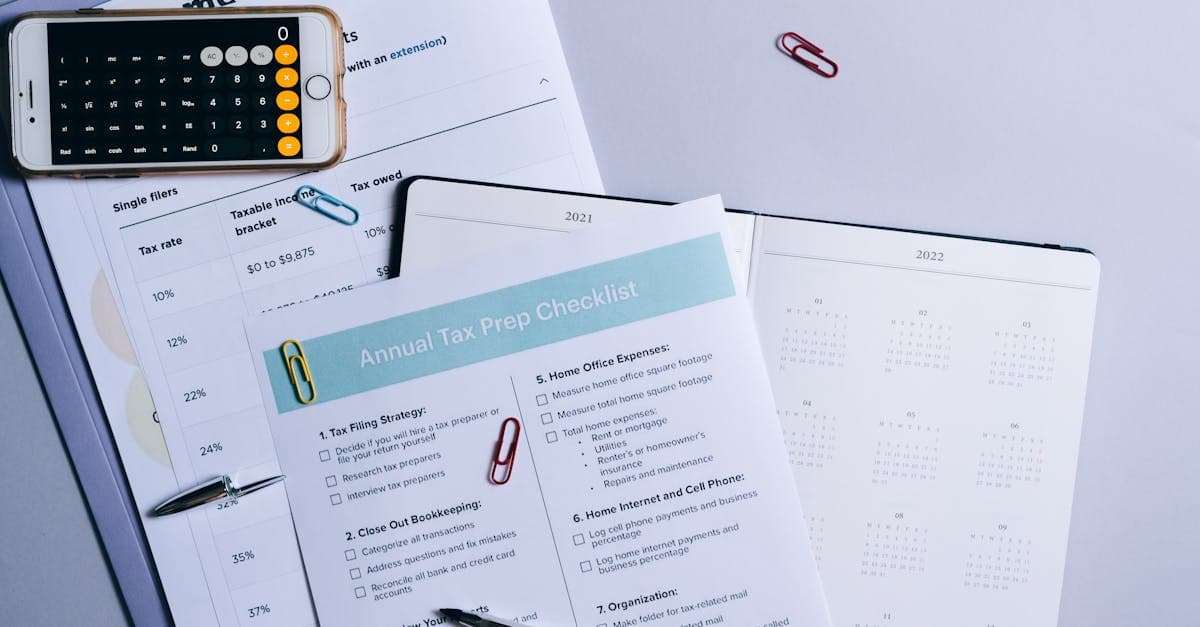
Policy Checkup Before and After Retirement: Adjusting for a New Phase
Retirement changes your income, assets, driving patterns, and insurance needs. A policy checkup at retirement realigns your coverage with your new lifestyle and financial priorities.

How AOB Abuse Drives Up Insurance Premiums for Everyone
Fraudulent and inflated AOB claims increase insurer payouts, which get passed along as higher premiums. Understanding AOB abuse helps you see why reform efforts have gained momentum.