Insurance Insights & Guidance
Coverage Milestone
Helping you reach every milestone in understanding your insurance coverage, claims, and financial protection.

Online quote tools offer convenience but often use default assumptions that may not match your situation. Understanding the differences between digital quotes and agent-prepared quotes helps you shop smarter.

More Stories

Policy Checkup Before and After Retirement: Adjusting for a New Phase
Retirement changes your income, assets, driving patterns, and insurance needs. A policy checkup at retirement realigns your coverage with your new lifestyle and financial priorities.

How AOB Abuse Drives Up Insurance Premiums for Everyone
Fraudulent and inflated AOB claims increase insurer payouts, which get passed along as higher premiums. Understanding AOB abuse helps you see why reform efforts have gained momentum.

The Five Stages of an Insurance Claim and How Long Each One Takes
Every insurance claim passes through five distinct stages: reporting, investigation, estimation, settlement, and payment. Knowing the typical duration of each stage eliminates uncertainty.

Understanding Your Deductible Before Filing a Claim
Your deductible directly affects whether filing a claim makes financial sense. Knowing your deductible amount and comparing it to the damage estimate is an essential pre-claim calculation.

How Not Disclosing Health Information Can Void Your Life Insurance
Omitting or misrepresenting health information on your life insurance application can result in claim denial or policy cancellation. Honest disclosure protects your family's ability to collect the death benefit.
Life Insurance Illustration Fees and Charges: What You Need to Know
Every life insurance illustration includes policy charges — mortality costs, administrative fees, surrender charges, and rider costs. Understanding these charges reveals the true cost of your policy.

How Long Does a Life Insurance Medical Exam Take?
A life insurance medical exam typically takes 20 to 45 minutes depending on the insurer's requirements. The paramedical examiner completes all measurements and sample collections in a single visit.

What Happens When You Misrepresent Information on a Life Insurance Application
Misrepresentation on a life insurance application can lead to denial, policy rescission, or claim denial during the contestability period. Honesty on applications is both legally required and practically essential.

Tax Implications of Borrowing From a Life Insurance Policy
Policy loans are generally not taxable income as long as the policy remains in force. However, a policy lapse with an outstanding loan can trigger a significant and unexpected tax bill on the gain.

How to Withdraw Cash Value From a Life Insurance Policy
Cash value withdrawals reduce your death benefit and may trigger tax liability depending on the amount withdrawn. Understanding the rules for withdrawals helps policyholders access funds without unexpected consequences.

How Policy Loans Reduce Your Life Insurance Death Benefit
Outstanding policy loans and accrued interest are subtracted from the death benefit when you die. A $500,000 policy with $100,000 in loans pays only $400,000 to your beneficiaries.

What Happens to Life Insurance Proceeds When the Named Beneficiary Has Died
If your sole beneficiary predeceases you and no contingent beneficiary is listed, the death benefit defaults to your estate. This is functionally identical to having no beneficiary at all.

Should You Name Your Children as Equal Beneficiaries?
Naming children as equal beneficiaries is the most common approach, but equal splits are not always the fairest option. Family circumstances, financial needs, and ages should factor into how you divide your death benefit.

Why You Should Name a Contingent Beneficiary on Every Life Insurance Policy
A contingent beneficiary receives the death benefit if your primary beneficiary cannot. Without one, the proceeds default to your estate — adding probate delays, legal fees, and potential creditor exposure.

Per Stirpes vs Per Capita: How Beneficiary Distribution Methods Affect Your Family
Per stirpes passes a deceased beneficiary's share to their children. Per capita divides equally among surviving beneficiaries. Choosing the right method ensures your death benefit is distributed as you intend.

Life Insurance for First-Time Homebuyers: Protecting Your New Investment
Buying your first home is exciting, but it creates your largest financial obligation. Life insurance should be part of your homebuying plan from the very beginning.

Life Insurance and Debt Protection When You Have No Children
If you have a mortgage, student loans with a cosigner, or shared debts, life insurance prevents those obligations from burdening your surviving family members or cosigners.

The Buy Term and Invest the Difference Strategy Explained
This popular strategy suggests buying cheaper term insurance and investing the premium savings in the stock market. The approach can work well for disciplined investors but fails if the investment discipline breaks down.

The Guaranteed Minimum Interest Rate in Universal Life Policies
Every universal life policy includes a guaranteed minimum interest rate, typically between 2 and 4 percent. This floor protects cash value from earning nothing, but relying on the guaranteed rate may require higher premiums to keep the policy funded.

Whole Life Insurance Surrender Value: What You Get If You Cancel
The cash surrender value is the amount you receive if you cancel your whole life policy. Understanding surrender value, surrender charges, and timing helps you make informed decisions about your policy's future.

Term Life Insurance for Young Families: Why Coverage Now Saves Thousands Later
Young families get the most value from term life insurance because premiums are lowest when you are young and healthy. Waiting even five years can significantly increase the cost of the same coverage.

Calculating Life Insurance to Cover Your Children's College Education
College costs continue to rise. Including education funding in your life insurance calculation ensures your children can pursue higher education even if you are not there to fund it.

Why Married Couples Buy Life Insurance to Protect Each Other
When couples build a life together — sharing a mortgage, raising children, planning for retirement — each spouse's income is essential. Life insurance protects the surviving spouse from the financial fallout of losing a partner.

The Death Benefit Explained: How Life Insurance Pays Your Beneficiaries
The death benefit is the amount your life insurance company pays to your beneficiaries after your death. Understanding how this payment works, including timing and tax treatment, is essential knowledge.

What Does Renters Flood Insurance Actually Cover?
Renters flood insurance covers personal property damaged by flooding including furniture, appliances, electronics, clothing, and other belongings. It responds when rising water enters your rental unit from any external source.

The RCBAP Explained: How Your Condo Building Gets Flood Insurance
A Residential Condominium Building Association Policy covers the building structure and common areas against flood damage. Understanding the RCBAP helps unit owners identify what protection already exists and what gaps remain.

Your Mortgage Does Not Require Flood Insurance — But Should You Buy It Anyway?
Lenders only require flood insurance for homes in high-risk FEMA zones. But flood damage can happen anywhere, and homeowners insurance does not cover it. Voluntary purchase fills a critical coverage gap.

The Difference Between Hurricane and Named Storm Deductibles
Some policies use hurricane deductibles triggered by declared hurricanes while others use named storm deductibles triggered by any named tropical system. The distinction affects how often your deductible applies and at what wind speed.

Does the Hurricane Deductible Apply During a Tropical Storm?
In most policies, the hurricane deductible applies only during officially declared hurricanes. Tropical storms that have not reached hurricane strength typically trigger the standard deductible on your homeowners policy.

What Florida Law Says About Hurricane Deductibles on Homeowners Insurance
Florida statutes regulate hurricane deductibles, including how they trigger, what percentage options insurers must offer, and what disclosures are required. Understanding these legal requirements protects your rights as a policyholder.

Hurricane Deductible and Your Dwelling Coverage: How the Numbers Connect
Your hurricane deductible is directly tied to your dwelling coverage limit. As your Coverage A amount increases, your hurricane deductible increases proportionally, which many homeowners overlook.

Flood Damage Evidence: How Adjusters Identify Flood-Caused Destruction After a Storm
Flood damage leaves telltale marks — water lines on walls, sediment deposits, waterlogged materials from the ground up. These patterns distinguish flood damage from wind or rain damage.

Do I Need Flood Insurance If I Already Have Homeowners Insurance?
Yes. Homeowners insurance explicitly excludes flood damage regardless of your location or flood zone. A separate flood policy is the only way to protect your home against rising water, storm surge, and surface runoff.

Basement Coverage Limits Under Flood Insurance: What You Need to Know
NFIP flood insurance severely limits what it covers in basements and below-grade areas. Finished walls, flooring, and personal belongings stored below grade face strict coverage restrictions that catch homeowners off guard.

Flood Insurance and Your Floors: Coverage for Carpet, Tile, and Hardwood
Permanently installed flooring including carpet, tile, hardwood, and laminate is covered under flood insurance building coverage. Understanding this coverage helps homeowners plan for complete floor restoration.

Flood Insurance for Florida First-Time Homebuyers: What You Need to Know Before Closing
First-time Florida homebuyers should evaluate flood insurance as part of the home purchase process. Understanding your flood risk before closing prevents budget surprises and coverage gaps.

Florida Flood Zones Explained: A Through X and What They Mean for Insurance
Florida flood zones range from high-risk A and V zones to moderate-risk B and X zones. Your zone designation determines whether flood insurance is federally required and how much coverage costs.
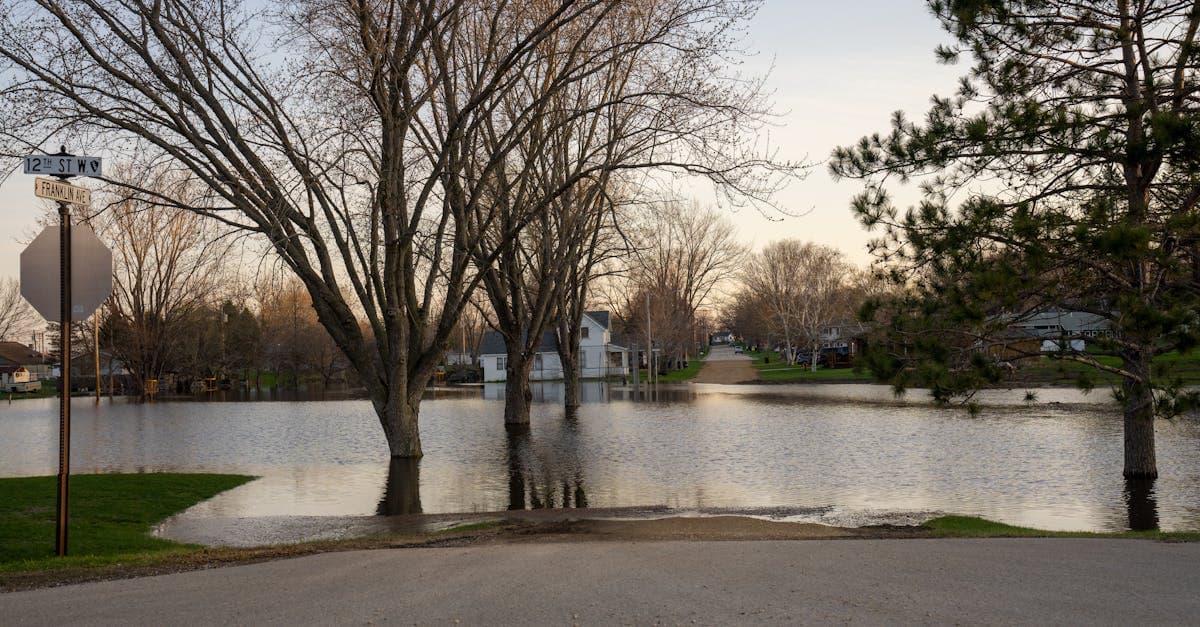
Flood Zones Explained: What Your Flood Zone Means for Insurance
FEMA designates flood zones based on risk level. High-risk zones like AE and VE require flood insurance for federally backed mortgages. Moderate and low-risk zones like X still face real flood risk.

How to Get Flood Coverage When Homeowners Insurance Won't Pay
Since homeowners insurance excludes flood damage, protection requires a separate flood policy through the NFIP or a private insurer. This guide walks through the options, costs, and steps to secure coverage.

Sinkhole Coverage in Florida: What Every Homeowner Needs to Know
Florida has more sinkholes than any other state. Standard homeowners policies cover catastrophic ground cover collapse but not all sinkhole damage. Understanding the distinction is critical for Florida property owners.

How an Electrical System Upgrade Affects Your Home Insurance
Upgrading outdated electrical wiring and panels reduces fire risk, which insurers reward with lower premiums. Modern electrical systems also meet current building codes, improving your home's insurability.

How to Find Your Premium Breakdown on the Declarations Page
Your declarations page shows the total premium and may break it down by coverage type. Understanding your premium helps you identify where your insurance dollars are going.

Digital Storage for Insurance Documents: Best Practices
Storing your insurance documents digitally in cloud-based systems ensures they survive the same disaster that damages your home. A well-organized digital archive accessible from any device gives you instant access to every document your claim requires.

Step-by-Step Guide to Switching Homeowners Insurance Mid-Year
Switching homeowners insurance mid-year involves shopping for quotes, binding a new policy, notifying your lender, canceling your old policy, and verifying your escrow adjustment. Each step must be executed in the right order.

Is Your Replacement Cost Estimate Still Accurate? A Pre-Renewal Check
Construction costs fluctuate significantly. If your replacement cost estimate has not been updated since your policy was first written, your Coverage A limit may be dangerously low when renewal arrives.

How Home Value Reassessments Trigger Premium Increases
When your insurer reassesses your home's replacement cost and determines it has increased, your dwelling coverage limit and your premium rise accordingly. This reassessment often happens automatically at renewal.

How Your Home Insurance Deductible Applies After a Major Storm
After a storm damages your home, your deductible applies once per event regardless of how many parts of your home are damaged. Understanding per-occurrence deductible rules prevents double-counting confusion.

Other Structures Coverage: Calculating the Right Amount for Detached Buildings
Other structures coverage protects detached garages, sheds, fences, and pools, typically set at 10 percent of your dwelling limit. Homeowners with expensive outbuildings often need to increase this default to avoid a coverage shortfall.

How Insurers Calculate Actual Cash Value on Your Home
Insurance companies use specific depreciation methods to determine ACV for your dwelling and contents. Knowing their formulas helps you evaluate and challenge valuations when necessary.

How Insurance Companies Calculate Your Home's Replacement Cost
Insurers use specialized software, local construction data, and property inspections to estimate what it would cost to rebuild your home from the ground up. Understanding this process helps you verify your coverage.

Scheduled Personal Property: Extra Coverage for High-Value Items
Scheduling valuable items like jewelry, art, and collectibles on your policy provides higher limits and broader coverage than standard personal property protection.
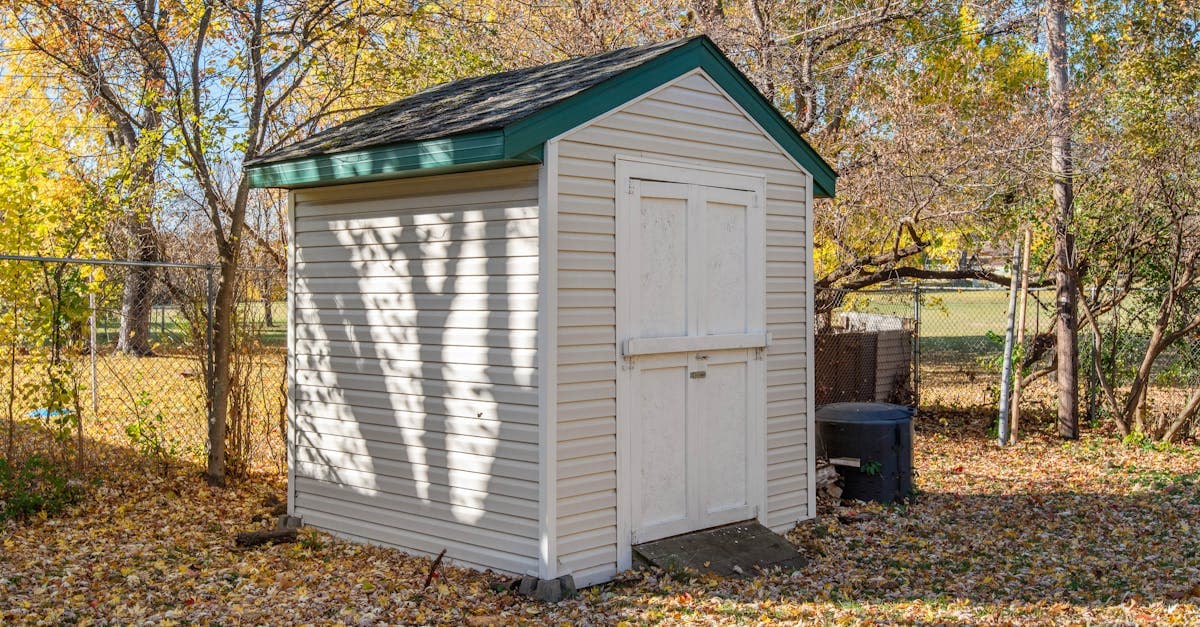
Other Structures Coverage for Pools, Pool Houses, and Pool Equipment
In-ground pools and detached pool houses are typically covered under Coverage B. Understanding how your policy values these structures ensures adequate protection for your outdoor living space.

Guaranteed Replacement Cost Coverage: The Gold Standard for Dwelling Protection
Guaranteed replacement cost pays whatever it actually costs to rebuild your home, even if it exceeds your policy limit. This is the strongest form of dwelling coverage available.

Loss of Use After a House Fire: How ALE Coverage Responds
Fire damage is the most common trigger for loss of use claims. Knowing how ALE coverage works after a fire helps you focus on recovery instead of finances.

Dog Bites and Homeowners Liability: What Your Policy Covers
Dog bite claims are one of the most common personal liability claims on homeowners policies. Understanding your coverage and your breed-related risks is essential.

Electronics Stolen Outside Your Home: What Homeowners Insurance Covers
Laptops, phones, and tablets stolen away from home are among the most common off-premises claims. Coverage limits and deductibles determine whether filing makes sense.
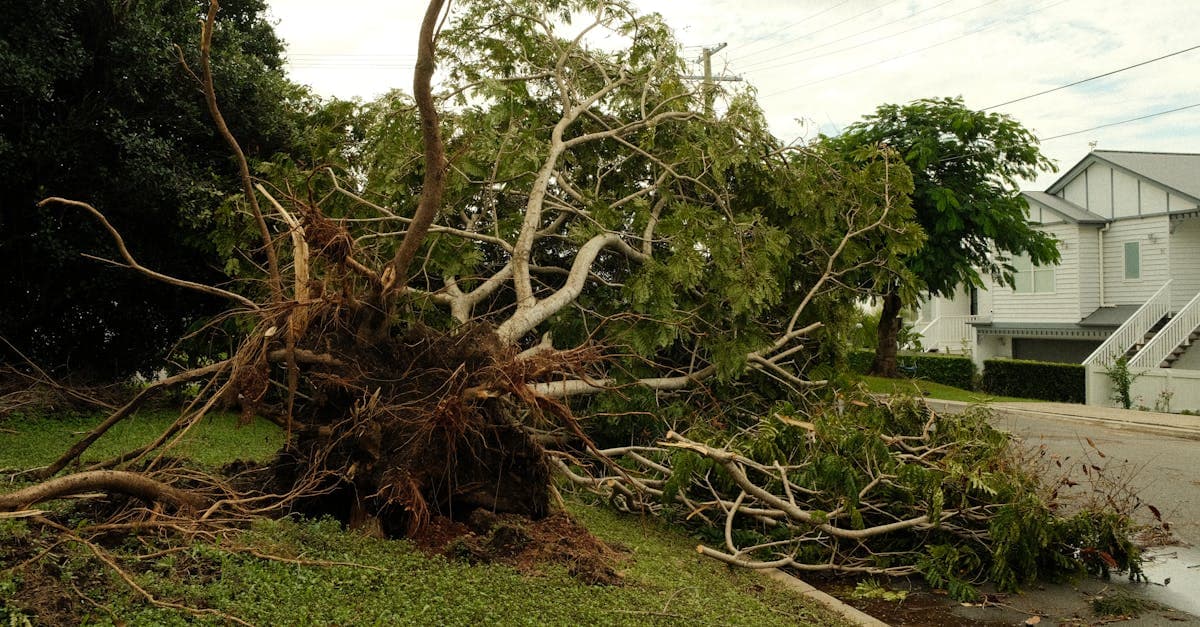
Dead Trees and Insurance Liability: What Homeowners Must Know
Failing to remove a known dead tree can create liability if it falls and damages someone else's property. Understanding this obligation protects you legally and financially.

Storm Surge vs Wind Damage: Why the Distinction Matters for Insurance
Storm surge is flooding, and wind damage is wind damage. Your homeowners policy treats these very differently, and the distinction can mean tens of thousands of dollars.

Hidden Plumbing Leaks: When Does Insurance Pay?
A leak behind a wall or under a floor may go undetected for weeks. Whether insurance covers the damage depends on when the leak started and when you should have noticed.

Mold After Flooding: Why Homeowners Insurance Will Not Pay
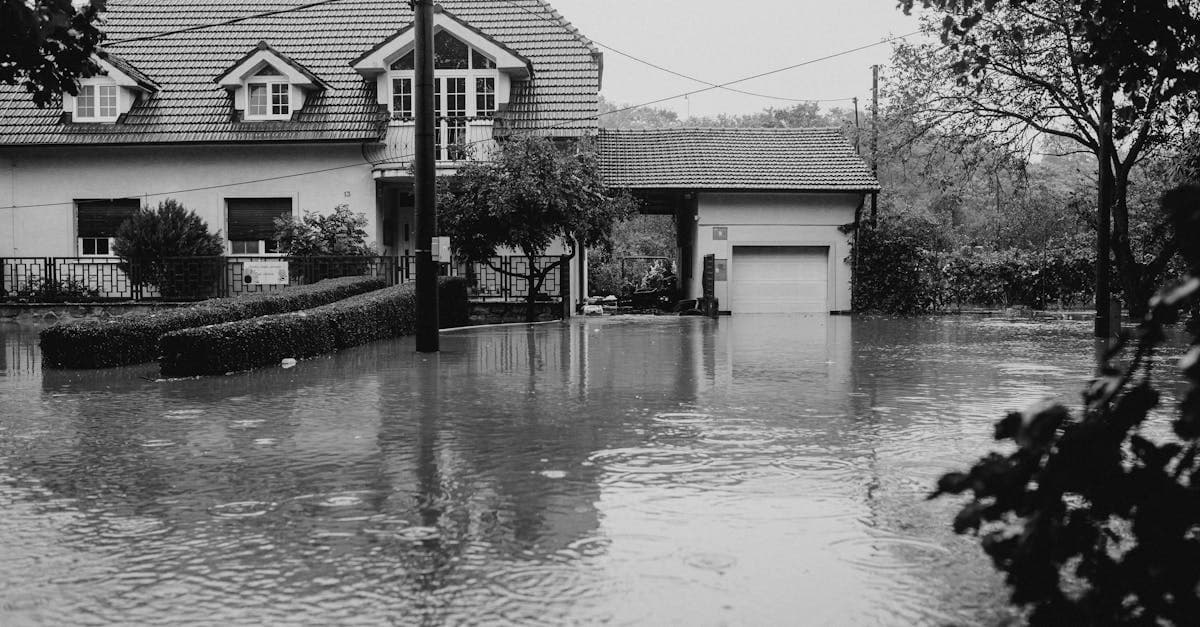
Flood-related mold is excluded from standard homeowners insurance because flood damage itself requires separate flood insurance. This gap catches many homeowners off guard.
Appliance Overflow and Water Damage: Filing the Right Claim
When your washing machine, dishwasher, or water heater fails and floods your home, homeowners insurance typically pays. Knowing how appliance overflow claims work speeds up your recovery.

Hail Damage to Your Roof: From Impact to Leak to Insurance Claim
Hail can crack shingles, dent metal roofing, and create openings that lead to leaks months later. Understanding the timeline of hail damage strengthens your roof leak claim.

Does Homeowners Insurance Cover Mold? Usually Not
Mold damage coverage under homeowners insurance is severely limited or excluded entirely. Understanding when mold is and is not covered prevents frustrating claim denials.

Medical Payments Coverage: The Part of Your Policy Most People Forget
Medical payments coverage pays small injury claims for guests hurt on your property regardless of fault. This no-fault coverage prevents minor injuries from becoming major lawsuits.

Reviewing Your Florida Policy After an Accident: A Step-by-Step Guide
An accident reveals exactly how your coverage performs under stress. Post-accident reviews identify weaknesses and help you strengthen protection before the next incident.

What to Do Immediately After Your Florida Insurance Lapses
If your Florida coverage has lapsed, acting within the first few days can minimize penalties. Here is the step-by-step process to restore your coverage and protect your license.

Penalties for Driving Without Insurance in Florida
Driving without the required insurance in Florida can result in license suspension, vehicle registration revocation, and hefty reinstatement fees. Know the consequences.

Why Florida's PDL Minimum Leaves Most Drivers Exposed
At $10,000, Florida's PDL minimum is among the lowest in the nation. A single accident involving a newer vehicle can exceed this limit in seconds.

Florida PIP for Pedestrians and Cyclists Hit by Cars
Florida PIP covers pedestrians and bicyclists struck by motor vehicles even if they do not own a car. This unique protection is one of the most misunderstood PIP benefits.

When Can You Sue After a Florida Car Accident? The Bodily Injury Threshold
Florida's no-fault system limits lawsuits unless injuries meet a specific threshold. Understanding this threshold affects your legal options.

How Does a Borrowed Car Accident Affect Your Insurance Record?
Accidents caused by borrowers go on your insurance record because the claim is against your policy. This affects your future premiums.

What Happens If You Drive Someone Else's Car and Get in an Accident?
Driving a borrowed car involves both the vehicle owner's insurance and your own. Knowing which policy responds first protects everyone involved.

Personal Property Stolen From Your Car: What Insurance Covers
Your auto insurance covers the vehicle damage from a break-in but not the stolen items inside. Learn which policy covers personal property and how to file the right claim.

Rock Chip Insurance Claims: When to File and When to Pay Out of Pocket
A single rock chip can become a major crack if ignored. Understanding when to file a claim versus paying cash helps you manage both your windshield and your premiums.

When Should You Buy Gap Insurance? 4 Situations That Need It
Gap insurance is most valuable if you put less than 20% down, have a loan over 5 years, drive over 15K miles/year, or bought a fast-depreciating car.

How Much Does Rental Reimbursement Cost on Your Insurance?
Rental reimbursement typically adds five to fifteen dollars per month to your premium. The cost relative to out-of-pocket rental expenses makes it a strong value.

Does Roadside Assistance Cover Fuel Delivery?
Running out of gas is embarrassing but common. Roadside assistance delivers enough fuel to reach the nearest station, usually at no extra cost beyond the fuel itself.

Uninsured Motorist Coverage Worth: What You Pay vs What You Get
For most drivers, UM coverage costs between fifty and two hundred dollars per year. The potential payout reaches hundreds of thousands. The ratio speaks for itself.

Understanding Uninsured Motorist Property Damage Coverage
UMPD pays for vehicle repairs when an uninsured driver causes the accident. Not every state offers this coverage, and limits vary.

Comprehensive Insurance Deductibles: How to Choose the Right Amount
Your comprehensive deductible directly affects your premium and out-of-pocket costs. Finding the sweet spot saves money without creating financial risk.

Collision Insurance Deductibles: Choosing the Right Amount
Your collision deductible directly affects both your premium and your out-of-pocket cost after an accident. Here is how to choose the right balance.

Why Financial Advisors Always Recommend Higher Liability Limits
Every financial planner recommends liability limits well above state minimums. The logic is simple: protecting accumulated wealth costs far less than rebuilding it after a judgment.

The Complete Guide to What Full Coverage Car Insurance Includes
Full coverage typically includes liability, collision, comprehensive, and sometimes uninsured motorist, medical payments, and rental reimbursement. Here's what each does.

The Cost of Driving Uninsured: Legal, Financial, and Personal Consequences
Driving without insurance risks fines, license suspension, vehicle impoundment, lawsuits, and bankruptcy. The consequences extend far beyond a traffic ticket.

The First-Time Buyer's Guide to Insurance Questions
Buying insurance for the first time is overwhelming. These questions simplify the process and ensure you get coverage that actually protects you.

How to Compare Your Declarations Page Year Over Year
Your declarations page is a snapshot of your coverage. Comparing this year's to last year's reveals exactly what changed and whether those changes serve you.

The Insurance Hard Market: Why Everyone's Rates Are Rising
The insurance industry operates in cycles. During hard markets, rates rise across the board regardless of individual policyholder behavior.

How Insurance Claims Affect Your Rates for Years to Come
Claims stay on your record for three to seven years, influencing every renewal. Understanding the timeline helps you make smarter filing decisions.

How Your Claims History Affects the Filing Decision
Multiple claims in a short period can lead to premium surcharges or non-renewal. Your existing claims history should influence whether you file again.

Understanding Your Insurance Settlement Offer
When the settlement arrives, knowing how to read it, verify the calculations, and negotiate ensures you receive fair compensation.

Health Insurance Riders: Adding Coverage Where You Need It
Critical illness, dental, and vision riders extend your health coverage beyond the standard plan benefits.

Life Insurance Exclusions: When the Death Benefit Is Not Paid
Suicide clauses, contestability periods, and hazardous activity exclusions can prevent your beneficiaries from receiving the death benefit.

Actual Cash Value in Auto Insurance: How Total Loss Claims Work
When your car is totaled, the insurer pays its actual cash value. Understanding how they determine that number helps you negotiate a fair settlement.

Replacement Cost for Personal Property: What You Need to Know
Replacement cost coverage for your belongings pays to buy new items, not used ones. This endorsement can dramatically increase your claim payout.

What Happens When You Hit Your Coverage Limit?
When a loss exceeds your coverage limit, you are responsible for the difference. Understanding this gap is essential for avoiding financial disaster.

How Insurance Premiums Are Calculated: The 12 Factors That Matter
Insurers use 12 main factors to set your premium — and you can influence 7 of them. See which ones move the needle most and how to lower your costs.

The Dec Page Demystified: Understanding Your Policy Summary
Insurance jargon can be overwhelming, but your declarations page is designed to be readable. Here is a plain-language guide to every section.

How Your Deductible Shapes Your Entire Insurance Experience
The deductible you choose ripples through every aspect of your policy. Learn how this single number changes your premiums, claims, and financial risk.
Five Coverage Milestones Every Adult Should Hit by 40
Your insurance needs evolve as your life does. Here are the five coverage milestones that separate the fully protected from the dangerously underinsured — and when you should reach each one.