Do I Need Flood Insurance If I Already Have Homeowners Insurance?

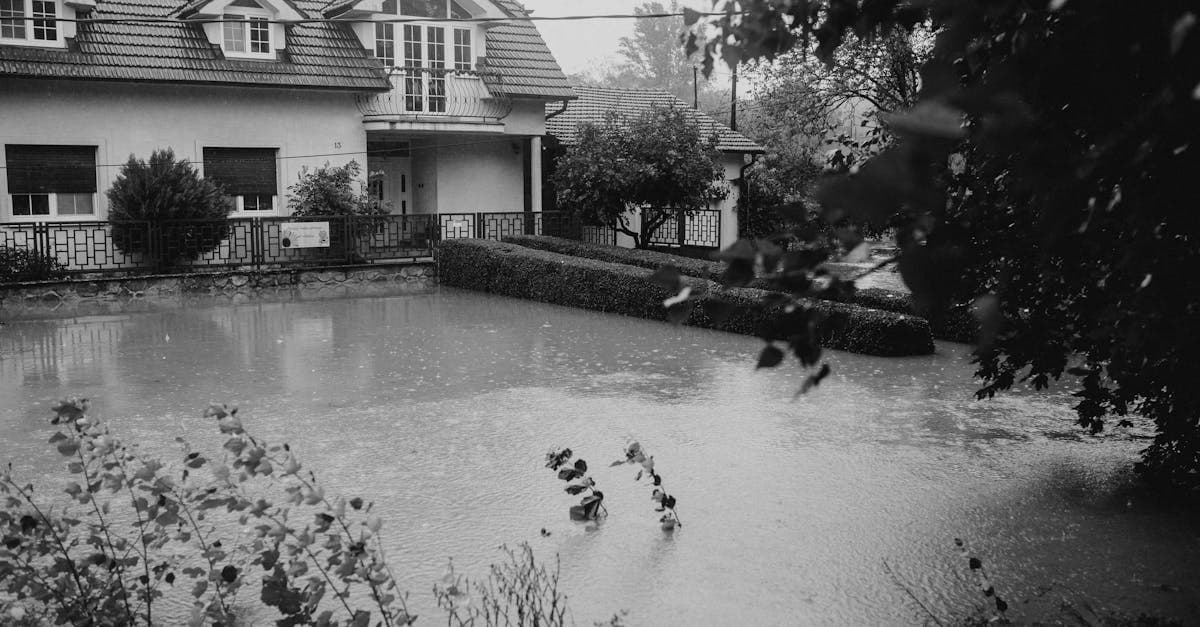
Here is the essential difference between flood insurance and homeowners insurance in sixty seconds: homeowners insurance covers fire, theft, wind, and internal water damage from burst pipes and appliance failures. Flood insurance covers rising water, surface runoff, storm surge, and mudflow. Neither covers what the other covers. You need both for complete water damage protection.
Now here is why the details matter. A single storm can trigger both policies at once. Wind tears off your roof — homeowners claim. Rising water enters your ground floor — flood claim. Different adjusters assess different damage from the same event. If you only have homeowners insurance, you recover from the roof damage but absorb the flood damage costs entirely.
The cost structure is important too. Homeowners insurance typically runs $1,500 to $3,000 per year and covers your home's full replacement value. NFIP flood insurance costs $300 to $2,500 per year depending on your flood zone and caps building coverage at $250,000 and contents at $100,000.
The critical gap: homeowners insurance explicitly excludes flood damage in every policy. This exclusion cannot be removed or overridden. The only way to close it is with a separate flood insurance policy. NFIP flood policies also have a 30-day waiting period, so you must purchase before any flood threat materializes.
This guide covers every detail of how these two policies differ, where they overlap, and how to ensure you have complete protection.
The Flood Exclusion: Understanding Your Homeowners Policy's Most Important Limitation
The evidence is clear. The flood exclusion in your homeowners policy represents the kitchen stocked with only half the ingredients, capable of handling some water-damage recipes but completely missing the flood-coverage spices needed for the rest. This exclusion removes coverage for an entire category of water damage and is the primary reason a separate flood insurance policy exists.
What the exclusion says: Standard homeowners policy language excludes damage caused by flood, including surface water, waves, tidal water, overflow of a body of water, spray from any of these, and water that backs up through sewers or drains due to flooding. The language is broad and covers virtually every scenario involving water from external sources.
Why the exclusion exists: Flood losses are catastrophic and correlated — when one home floods, hundreds or thousands in the same area flood simultaneously. This concentration of loss overwhelms the risk-spreading model that makes insurance work. Private insurers cannot profitably include flood coverage in standard homeowners policies because a single flood event can generate billions in claims from one geographic area.
How adjusters enforce the exclusion: After a water damage event, your homeowners insurance adjuster examines the source and path of the water. If evidence shows that water entered your home from outside at or below ground level as rising water, the adjuster classifies that portion as flood damage and applies the exclusion. Physical evidence includes waterlines on walls, mud and debris patterns, and the direction of water flow.
The exclusion applies in every zone: The flood exclusion in your homeowners policy does not change based on your FEMA flood zone. Whether you live in high-risk Zone A or minimal-risk Zone X, your homeowners policy excludes flood damage with identical language. The exclusion is about the type of water damage, not the probability of it occurring.
No endorsement overrides it: Unlike some other exclusions that can be removed with an endorsement, the flood exclusion in homeowners policies cannot be overridden. You cannot pay extra to add flood coverage to your homeowners policy. The only option is a separate flood insurance policy.
The impact on claim outcomes: Homeowners who do not understand the flood exclusion are often devastated by denied claims after water events. Knowing the exclusion exists and purchasing flood insurance to fill the gap prevents this outcome and ensures every water damage scenario has a policy that responds.
Replacement Cost vs Actual Cash Value: How Each Policy Values Your Losses
This brings us to a critical distinction. The way each policy calculates claim payments directly affects how much money you receive to repair or replace damaged property. This valuation difference is one of the most significant distinctions between flood and homeowners insurance.
Homeowners insurance valuation: Most homeowners policies pay replacement cost for building damage — the full cost to repair or replace damaged components with materials of like kind and quality without deducting for depreciation. Many homeowners policies also offer replacement cost for personal property with the appropriate endorsement.
NFIP flood insurance building valuation: NFIP flood insurance pays replacement cost for building damage, matching homeowners insurance in this regard. Damaged structural components, systems, and fixtures are valued at their current replacement cost, allowing full repair to pre-flood condition.
NFIP flood insurance contents valuation: Here the difference becomes significant. NFIP flood insurance pays actual cash value for contents — replacement cost minus depreciation. A television you bought for $1,500 three years ago might have an actual cash value of $700 after depreciation. The NFIP pays $700 while a homeowners policy with replacement cost contents coverage would pay $1,500.
The depreciation impact: Actual cash value payments for contents can be substantially less than replacement cost, especially for older items. Furniture, electronics, appliances, and clothing all depreciate. After a flood destroys your personal property, the gap between what it costs to replace everything and what the NFIP pays can be thousands of dollars.
Private flood insurance valuation: Some private flood insurers offer replacement cost coverage for both building and contents, eliminating the depreciation penalty on personal property claims. This feature alone can make a private flood policy more valuable than an NFIP policy for homeowners with significant personal property.
Practical implications: When evaluating flood insurance options, compare how building and contents are valued. If your contents are valuable and you want full replacement after a flood, a private flood policy with replacement cost contents coverage — or a higher NFIP building limit with more contents covered under building — may provide better financial recovery.
The Flood Exclusion: Understanding Your Homeowners Policy's Most Important Limitation
The evidence is clear. The flood exclusion in your homeowners policy represents the kitchen stocked with only half the ingredients, capable of handling some water-damage recipes but completely missing the flood-coverage spices needed for the rest. This exclusion removes coverage for an entire category of water damage and is the primary reason a separate flood insurance policy exists.
What the exclusion says: Standard homeowners policy language excludes damage caused by flood, including surface water, waves, tidal water, overflow of a body of water, spray from any of these, and water that backs up through sewers or drains due to flooding. The language is broad and covers virtually every scenario involving water from external sources.
Why the exclusion exists: Flood losses are catastrophic and correlated — when one home floods, hundreds or thousands in the same area flood simultaneously. This concentration of loss overwhelms the risk-spreading model that makes insurance work. Private insurers cannot profitably include flood coverage in standard homeowners policies because a single flood event can generate billions in claims from one geographic area.
How adjusters enforce the exclusion: After a water damage event, your homeowners insurance adjuster examines the source and path of the water. If evidence shows that water entered your home from outside at or below ground level as rising water, the adjuster classifies that portion as flood damage and applies the exclusion. Physical evidence includes waterlines on walls, mud and debris patterns, and the direction of water flow.
The exclusion applies in every zone: The flood exclusion in your homeowners policy does not change based on your FEMA flood zone. Whether you live in high-risk Zone A or minimal-risk Zone X, your homeowners policy excludes flood damage with identical language. The exclusion is about the type of water damage, not the probability of it occurring.
No endorsement overrides it: Unlike some other exclusions that can be removed with an endorsement, the flood exclusion in homeowners policies cannot be overridden. You cannot pay extra to add flood coverage to your homeowners policy. The only option is a separate flood insurance policy.
The impact on claim outcomes: Homeowners who do not understand the flood exclusion are often devastated by denied claims after water events. Knowing the exclusion exists and purchasing flood insurance to fill the gap prevents this outcome and ensures every water damage scenario has a policy that responds.
Replacement Cost vs Actual Cash Value: How Each Policy Values Your Losses
This brings us to a critical distinction. The way each policy calculates claim payments directly affects how much money you receive to repair or replace damaged property. This valuation difference is one of the most significant distinctions between flood and homeowners insurance.
Homeowners insurance valuation: Most homeowners policies pay replacement cost for building damage — the full cost to repair or replace damaged components with materials of like kind and quality without deducting for depreciation. Many homeowners policies also offer replacement cost for personal property with the appropriate endorsement.
NFIP flood insurance building valuation: NFIP flood insurance pays replacement cost for building damage, matching homeowners insurance in this regard. Damaged structural components, systems, and fixtures are valued at their current replacement cost, allowing full repair to pre-flood condition.
NFIP flood insurance contents valuation: Here the difference becomes significant. NFIP flood insurance pays actual cash value for contents — replacement cost minus depreciation. A television you bought for $1,500 three years ago might have an actual cash value of $700 after depreciation. The NFIP pays $700 while a homeowners policy with replacement cost contents coverage would pay $1,500.
The depreciation impact: Actual cash value payments for contents can be substantially less than replacement cost, especially for older items. Furniture, electronics, appliances, and clothing all depreciate. After a flood destroys your personal property, the gap between what it costs to replace everything and what the NFIP pays can be thousands of dollars.
Private flood insurance valuation: Some private flood insurers offer replacement cost coverage for both building and contents, eliminating the depreciation penalty on personal property claims. This feature alone can make a private flood policy more valuable than an NFIP policy for homeowners with significant personal property.
Practical implications: When evaluating flood insurance options, compare how building and contents are valued. If your contents are valuable and you want full replacement after a flood, a private flood policy with replacement cost contents coverage — or a higher NFIP building limit with more contents covered under building — may provide better financial recovery.
Policy Structure: How Flood and Homeowners Insurance Are Built Differently
This brings us to a critical distinction. The structural differences between flood and homeowners insurance go beyond what they cover. Understanding how each policy is organized, priced, and administered helps you navigate both effectively.
Homeowners insurance structure: Homeowners policies are issued by private insurance companies. They include multiple coverage sections — dwelling, other structures, personal property, loss of use, and liability — in a single policy. Premiums are based on your home's replacement cost, location, claims history, credit score, and other factors the insurer evaluates.
Flood insurance structure: NFIP flood policies are standardized federal documents with fixed terms. They include two separate coverage sections — building coverage up to $250,000 and contents coverage up to $100,000. Each section has its own deductible. The policy does not include liability coverage or loss of use coverage. Premiums are based on flood zone, elevation, building characteristics, and FEMA's Risk Rating 2.0 methodology.
Deductible differences: Homeowners insurance has a single deductible that applies per claim. NFIP flood insurance has separate deductibles for building and contents coverage — you pay both deductibles if you claim both. Flood insurance deductibles range from $1,000 to $10,000 for building coverage and affect your premium level.
Valuation differences: Homeowners insurance typically pays replacement cost for building damage and may offer replacement cost for personal property. NFIP flood insurance pays replacement cost for building damage but actual cash value for contents, meaning depreciation is deducted from contents claim payments.
Loss of use coverage: Homeowners insurance includes Additional Living Expense coverage that pays for temporary housing and increased costs while your home is being repaired. NFIP flood insurance does not include any loss of use benefit, creating a significant gap during flood recovery.
Waiting periods: Homeowners insurance typically takes effect at the policy start date with no waiting period. NFIP flood insurance has a mandatory 30-day waiting period before coverage begins, requiring proactive purchase well before any flood threat.
Hurricane and Storm Damage: How Two Policies Handle One Event
The evidence is clear. Hurricanes and major storms create the most complex insurance scenarios because a single event triggers both homeowners and flood insurance simultaneously. Understanding how damage is divided between policies is essential for hurricane-prone homeowners.
Wind damage — homeowners insurance: Hurricane-force winds damage roofs, break windows, tear off siding, and destroy fences and outbuildings. All wind damage is covered under your homeowners insurance policy. Rain damage that enters through wind-created openings is also a homeowners claim because the wind damage — a covered peril — allowed the water entry.
Storm surge and flooding — flood insurance: Hurricane storm surge pushes ocean water inland, flooding homes from the ground up. This is flood damage covered exclusively by flood insurance. River flooding from hurricane rainfall, surface water accumulation, and wave wash are all flood perils excluded from homeowners policies.
The separation challenge: When both wind and flood damage occur, adjusters must determine which damage was caused by which peril. Waterlines indicate flood damage below their height. Wind damage patterns — missing shingles, broken windows, structural displacement — indicate wind damage. The transition zone where both forces acted simultaneously can be the subject of disputes.
Hurricane deductibles: Many homeowners policies in hurricane-prone states have separate hurricane or windstorm deductibles — often calculated as a percentage of dwelling coverage rather than a flat dollar amount. A 2 percent hurricane deductible on a $300,000 home means $6,000 out of pocket before homeowners coverage pays for wind damage. You may also owe your flood insurance deductible separately.
Documentation during hurricanes: If a hurricane approaches, photograph your home's exterior and interior before the storm. After the storm, photograph all damage as early as safely possible. Time-stamped photos showing the progression of damage help adjusters separate wind damage from flood damage.
Total recovery from hurricanes: Full recovery from a hurricane often requires payments from both policies. Without flood insurance, the storm surge damage — often the most expensive component of hurricane damage — is entirely uninsured. Homeowners in hurricane-prone areas who carry only homeowners insurance face the largest coverage gaps.
Policy Structure: How Flood and Homeowners Insurance Are Built Differently
This brings us to a critical distinction. The structural differences between flood and homeowners insurance go beyond what they cover. Understanding how each policy is organized, priced, and administered helps you navigate both effectively.
Homeowners insurance structure: Homeowners policies are issued by private insurance companies. They include multiple coverage sections — dwelling, other structures, personal property, loss of use, and liability — in a single policy. Premiums are based on your home's replacement cost, location, claims history, credit score, and other factors the insurer evaluates.
Flood insurance structure: NFIP flood policies are standardized federal documents with fixed terms. They include two separate coverage sections — building coverage up to $250,000 and contents coverage up to $100,000. Each section has its own deductible. The policy does not include liability coverage or loss of use coverage. Premiums are based on flood zone, elevation, building characteristics, and FEMA's Risk Rating 2.0 methodology.
Deductible differences: Homeowners insurance has a single deductible that applies per claim. NFIP flood insurance has separate deductibles for building and contents coverage — you pay both deductibles if you claim both. Flood insurance deductibles range from $1,000 to $10,000 for building coverage and affect your premium level.
Valuation differences: Homeowners insurance typically pays replacement cost for building damage and may offer replacement cost for personal property. NFIP flood insurance pays replacement cost for building damage but actual cash value for contents, meaning depreciation is deducted from contents claim payments.
Loss of use coverage: Homeowners insurance includes Additional Living Expense coverage that pays for temporary housing and increased costs while your home is being repaired. NFIP flood insurance does not include any loss of use benefit, creating a significant gap during flood recovery.
Waiting periods: Homeowners insurance typically takes effect at the policy start date with no waiting period. NFIP flood insurance has a mandatory 30-day waiting period before coverage begins, requiring proactive purchase well before any flood threat.
Looking Ahead: Why Both Policies Become More Important Over Time
As climate change intensifies storms, increases rainfall intensity, and expands flood risk into areas with no flood history, the relationship between flood insurance and homeowners insurance becomes more critical for every homeowner.
Homeowners insurance will continue to cover fire, wind, and internal water damage. But the flood exclusion is permanent — no market force or regulatory change is likely to bring flood coverage back into standard homeowners policies. The catastrophic and correlated nature of flood losses makes it economically impossible.
Flood insurance will continue to evolve as the NFIP updates its pricing through Risk Rating 2.0 and as private flood insurers expand their market presence. More coverage options, better pricing models, and broader policy features will give homeowners more choices for closing the flood coverage gap.
What will not change is the fundamental distinction: homeowners insurance covers everything except flooding, and flood insurance covers the flooding that homeowners insurance excludes. This distinction has existed for over fifty years and will persist for the foreseeable future.
Your action step is clear: maintain both policies, review them annually, and stay informed about changes in flood risk and insurance options in your area. The homeowners who adapt their coverage to changing conditions are the ones who recover fully when water damage arrives from any direction.
Continue reading

Online Insurance Quotes vs Agent Quotes: Which Should You Trust?
Online quote tools offer convenience but often use default assumptions that may not match your situation. Understanding the differences between digital quotes and agent-prepared quotes helps you shop smarter.

Policy Checkup Before and After Retirement: Adjusting for a New Phase
Retirement changes your income, assets, driving patterns, and insurance needs. A policy checkup at retirement realigns your coverage with your new lifestyle and financial priorities.

How AOB Abuse Drives Up Insurance Premiums for Everyone
Fraudulent and inflated AOB claims increase insurer payouts, which get passed along as higher premiums. Understanding AOB abuse helps you see why reform efforts have gained momentum.