Electronics Stolen Outside Your Home: What Homeowners Insurance Covers

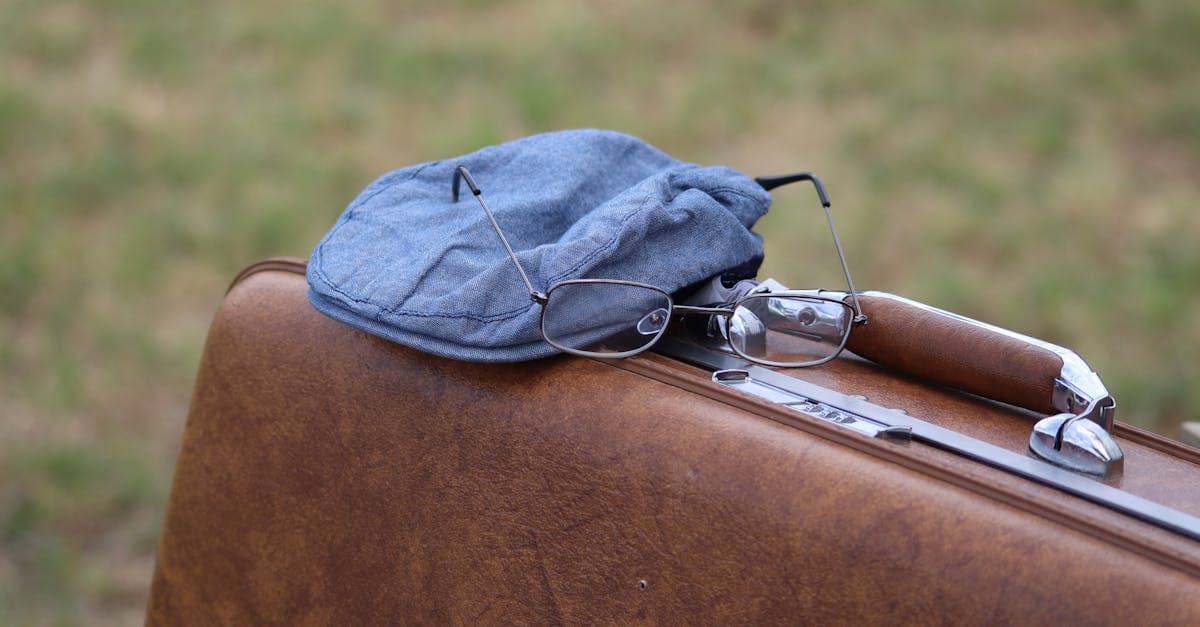
Here is off-premises personal property coverage in thirty seconds: your homeowners insurance covers your belongings outside your home, typically up to 10 percent of your personal property limit. If you have $100,000 in personal property coverage, roughly $10,000 protects belongings away from home.
Now here is why thirty seconds is not enough. Off-premises coverage involves sublimits, deductible considerations, documentation requirements, and coverage gaps that affect whether you can successfully recover a loss. Getting these details wrong can mean the difference between a paid claim and an absorbed loss.
Your deductible applies to off-premises claims. If your deductible is $1,000 and your stolen laptop is worth $1,200, the net payout is only $200 — which may not justify the claim. Category sublimits on jewelry, electronics, silverware, and other items may cap your payout below the 10 percent overall limit. And proving ownership of stolen items away from home requires documentation you should prepare before a loss occurs.
Coverage also depends on the peril. Theft is covered everywhere. But accidental damage — dropping your laptop at a coffee shop, for example — is generally not covered under a standard named-peril personal property provision. Understanding which perils trigger off-premises coverage and which do not helps you set realistic expectations.
This guide covers every aspect of off-premises personal property protection: what is covered, what is excluded, how claims work, and how to maximize your coverage for belongings that travel with you.
Coverage for College Students' Belongings
This brings us to a critical distinction. College students living away from home represent one of the most significant off-premises coverage scenarios for families. Thousands of dollars in electronics, clothing, textbooks, and personal items travel to campus, and parents need to understand how their homeowners policy protects these belongings.
Who qualifies for coverage: Most homeowners policies cover belongings of household members who are full-time students under age 26 and were residents of the household before moving to school. This means your child's belongings at college are covered under your homeowners policy without additional cost, subject to the off-premises limit.
Dorm vs off-campus housing: Students living in campus dormitories are generally considered to be temporarily away from home, and off-premises coverage applies clearly. Students in off-campus apartments may also qualify, but the coverage situation becomes more complex. If the student has established a separate legal residence, the parents' policy may no longer extend coverage.
Common campus claims: Laptop theft is the most frequent claim for college students, followed by theft of bicycles, phones, and other electronics. Dorm room burglaries, theft from campus libraries and common areas, and stolen property from vehicles all trigger off-premises coverage under the parents' homeowners policy.
When separate coverage makes sense: If your student lives off-campus and has high-value belongings, a separate renters insurance policy may provide better protection than relying on your off-premises limit. Renters insurance for students is typically inexpensive — often $15 to $25 per month — and provides dedicated coverage without reducing the off-premises limit available for other family members.
Inventory before move-in: Document every item your student takes to school with photographs, serial numbers, and estimated values. This inventory is essential for filing successful claims and ensures nothing is overlooked if a theft or damage event occurs during the school year.
Replacement Cost vs Actual Cash Value for Off-Premises Property
The evidence is clear. How your insurer calculates the payout for an off-premises loss depends on whether your personal property coverage is written on a replacement cost or actual cash value basis. This distinction can mean hundreds or thousands of dollars difference in your claim settlement.
Actual cash value explained: Actual cash value is the item's replacement cost minus depreciation. A laptop purchased two years ago for $1,500 might have an actual cash value of $800, reflecting two years of depreciation. If that laptop is stolen away from home and your policy pays actual cash value, you receive $800 minus your deductible — not enough to buy the same laptop today.
Replacement cost explained: Replacement cost coverage pays what it costs to replace the stolen or damaged item with a new item of similar kind and quality, without deducting for depreciation. That same $1,500 laptop would be covered at its current replacement price. Most replacement cost policies pay the depreciated amount first and the remainder after you actually purchase the replacement.
Which applies to off-premises claims: Your personal property coverage type — replacement cost or actual cash value — applies equally to on-premises and off-premises losses. If your policy provides replacement cost coverage for personal property, it provides replacement cost coverage away from home as well. There is no separate valuation method for off-premises claims.
The replacement requirement: Under replacement cost coverage, you typically must replace the item to receive the full payout. The insurer pays actual cash value initially, and you submit proof of replacement purchase to receive the difference. If you choose not to replace the item, you keep only the actual cash value payment. This applies to off-premises claims just as it does to at-home losses.
Upgrading to replacement cost: If your policy currently provides actual cash value coverage for personal property, upgrading to replacement cost is usually available for a modest premium increase. For policyholders with expensive portable electronics and other depreciating items, the upgrade to replacement cost coverage often pays for itself with a single claim.
Coverage for Items in Storage Units
The evidence is clear. Millions of Americans rent storage units to hold belongings that do not fit in their homes. Whether you are storing seasonal items, furniture during a renovation, or belongings during a transition, your homeowners insurance extends coverage to these items under off-premises provisions.
How storage unit coverage works: Items in a rented storage facility are considered personal property away from home. Your homeowners policy covers them against named perils — including theft, fire, vandalism, and windstorm — up to your off-premises limit. This coverage applies automatically without notifying your insurer that you have rented a unit.
Limitations to understand: The off-premises limit applies to everything away from home collectively, not per location. Items in a storage unit, belongings at your office, and property your child has at college all share the same off-premises coverage pool. Storing high-value items in a unit reduces the coverage available for other off-premises losses.
Perils not covered: Flooding is not a named peril under standard homeowners policies, and storage units in flood-prone areas present real risk. Water damage from sprinkler systems, pipe bursts in the facility, and humidity damage are generally not covered unless they result from a named peril. Rodent damage and mold are also typically excluded.
Storage facility insurance: Most storage facilities offer their own insurance plans, often ranging from $10 to $30 per month. Before purchasing this coverage, compare it to your existing off-premises protection. If your homeowners policy already provides sufficient coverage for the stored items, the facility insurance is unnecessary and duplicative.
High-value storage situations: If you are storing items whose total value exceeds your off-premises limit, consider increasing your personal property coverage or purchasing a scheduled personal property endorsement for specific high-value items. The cost of additional coverage is typically modest compared to the risk of an underinsured loss.
How to Increase Your Off-Premises Coverage
This brings us to a critical distinction. If the standard off-premises limit does not adequately protect your portable belongings, several options can increase your coverage. Evaluating these options against your specific needs helps you build the right level of protection.
Increase your personal property limit: Because off-premises coverage is typically a percentage of your total personal property limit, increasing the overall limit also increases off-premises coverage. Raising personal property coverage from $80,000 to $120,000, for example, increases your off-premises limit from approximately $8,000 to $12,000.
Scheduled personal property endorsement: For specific high-value items, a scheduled endorsement provides the most comprehensive protection. Scheduled items receive their own coverage amount based on an appraisal, are not subject to sublimits, and are typically covered for all risks including accidental loss and mysterious disappearance. This endorsement is ideal for jewelry, fine art, musical instruments, and high-value electronics.
Blanket personal property endorsement: Some insurers offer blanket endorsements that increase coverage for an entire category without scheduling individual items. A blanket jewelry endorsement might increase the jewelry sublimit from $1,500 to $10,000 without requiring individual appraisals. This is less comprehensive than scheduling but more convenient for multiple items.
Inland marine floater: For very high-value portable items or collections, an inland marine policy provides standalone coverage specifically designed for property that travels. Originally created for goods in transit, inland marine policies now cover all types of valuable portable property with broader terms than standard homeowners coverage.
Umbrella policies do not help: A common misconception is that umbrella insurance increases personal property coverage. It does not — umbrella policies provide additional liability protection only. If you need more off-premises property coverage, the solutions are endorsements, floaters, or increased personal property limits on your homeowners policy.
How Off-Premises Personal Property Coverage Works
The evidence is clear. Off-premises personal property coverage is the sealed container that keeps your belongings protected even on the go. It is a built-in feature of your homeowners policy that extends personal property protection beyond the physical boundaries of your home. Understanding the mechanics of this coverage helps you use it effectively.
The 10 percent rule: Most HO-3 homeowners policies set the off-premises coverage limit at approximately 10 percent of your total personal property coverage amount. If your personal property coverage is $80,000, roughly $8,000 is available for losses that occur away from home. Some insurers set this limit differently, so checking your specific policy language is important.
Same perils, different location: Off-premises coverage applies the same named perils that protect your belongings at home. Under a standard HO-3 policy, personal property is covered on a named-peril basis — meaning only specifically listed events like theft, fire, windstorm, vandalism, and others trigger coverage. This remains true whether the loss occurs inside your home or across the country.
Deductible applies: Your homeowners deductible applies to off-premises claims just as it does to at-home claims. A $1,000 deductible means you absorb the first $1,000 of any off-premises loss before insurance pays. This makes small off-premises losses impractical to claim, which is by design — insurance is meant for significant losses, not minor inconveniences.
Worldwide coverage: Most homeowners policies extend off-premises coverage worldwide, not just within the United States. Belongings stolen during international travel are generally covered under the same off-premises provisions as domestic losses, though documentation for international claims requires extra preparation.
Jewelry and Valuables Away From Home
This brings us to a critical distinction. High-value items like jewelry, watches, and designer accessories face the same off-premises perils as other belongings but are subject to additional coverage limitations that every policyholder should understand before traveling with valuables.
Standard sublimits: Most homeowners policies impose sublimits on jewelry coverage regardless of location. A typical sublimit for jewelry theft is $1,500 to $2,500. This means even if your off-premises limit is $10,000, the maximum payout for stolen jewelry is whatever your policy's jewelry sublimit allows — often far less than the actual value of fine jewelry.
Watches and fine accessories: Expensive watches may fall under the jewelry sublimit or under a separate accessories category depending on your policy. Designer handbags, luxury sunglasses, and high-end accessories may or may not have their own sublimits. Reading your specific policy language reveals which categories apply to your valuables.
Scheduled personal property endorsements: The most effective way to protect high-value jewelry and watches outside the home is through a scheduled personal property endorsement, also called a floater. This endorsement lists specific items with appraised values and provides coverage up to those values without sublimits. Scheduled items are typically covered for all risks — including accidental loss and mysterious disappearance — not just named perils.
Appraisal requirements: Scheduling valuable items requires a current appraisal from a qualified appraiser. Insurers typically require updated appraisals every two to three years to maintain accurate coverage. The appraisal cost is modest — usually $50 to $150 per item — and ensures your coverage reflects current replacement value.
Travel precautions for valuables: Even with proper insurance, practical precautions reduce risk. Use hotel safes for jewelry not being worn. Avoid displaying expensive items in high-risk areas. Photograph valuables before travel to document their condition. And carry appraisal documentation when traveling with scheduled items to facilitate claims if needed.
Covered Perils for Off-Premises Personal Property
This brings us to a critical distinction. Understanding which perils trigger off-premises coverage is essential for knowing when you have a valid claim. Under a standard HO-3 policy, personal property — both at home and away — is covered on a named-peril basis, meaning only specific listed events qualify.
Theft: Theft is the most common off-premises peril and covers belongings stolen from your car, hotel room, workplace, storage unit, or any other location. Burglary, larceny, and robbery are all covered. You will typically need a police report to support a theft claim, especially for away-from-home losses.
Fire and lightning: If a fire at a hotel, office building, or other location destroys your personal belongings, your homeowners policy covers the loss under off-premises provisions. Lightning strikes that damage electronics or other items away from home are similarly covered.
Windstorm and hail: Belongings damaged by severe weather outside your home are covered. Camping gear destroyed by a windstorm or outdoor equipment damaged by hail qualifies for off-premises claims.
Vandalism: Intentional damage to your belongings by others is covered away from home, just as it is at home. If someone deliberately damages your bicycle locked outside a store or keys your belongings at an event, the vandalism peril applies.
Explosion, riot, and civil commotion: Less common but still relevant, these perils protect belongings damaged during extraordinary events away from home. Riots, explosions from gas leaks or industrial accidents, and civil unrest that damages your property trigger coverage regardless of location.
Off-Premises Coverage in an Increasingly Mobile World
The way people live and work is becoming more mobile every year. Remote work sends expensive equipment to coffee shops and co-working spaces. Online shopping means more packages sitting on porches. Students carry thousands of dollars of electronics across campuses. And travel puts belongings at risk in unfamiliar environments.
These trends mean off-premises personal property coverage is becoming more important, not less. The 10 percent standard limit that served previous generations may not adequately protect today's portable lifestyle. Insurers are beginning to recognize this shift, and policy options for enhanced off-premises coverage continue to expand.
Stay ahead of these changes by reviewing your off-premises coverage annually. Evaluate whether your portable property value has increased since your last review. Consider whether endorsements or increased limits are warranted by your current lifestyle. And maintain the documentation habit that makes every future claim stronger.
The policyholders who fare best are those who recognize that their homeowners insurance is not just about the house — it is about everything they own, wherever those belongings happen to be. Treat off-premises coverage as an active part of your insurance strategy, and it will serve you well.
Continue reading

Online Insurance Quotes vs Agent Quotes: Which Should You Trust?
Online quote tools offer convenience but often use default assumptions that may not match your situation. Understanding the differences between digital quotes and agent-prepared quotes helps you shop smarter.
Policy Checkup Before and After Retirement: Adjusting for a New Phase
Retirement changes your income, assets, driving patterns, and insurance needs. A policy checkup at retirement realigns your coverage with your new lifestyle and financial priorities.

How AOB Abuse Drives Up Insurance Premiums for Everyone
Fraudulent and inflated AOB claims increase insurer payouts, which get passed along as higher premiums. Understanding AOB abuse helps you see why reform efforts have gained momentum.