Florida Flood Zones Explained: A Through X and What They Mean for Insurance

Here is the quick answer: flood insurance is required in Florida for properties in FEMA-designated Special Flood Hazard Areas (zones A, AE, AH, AO, V, VE) that have federally backed mortgages (FHA, VA, USDA, or conventional loans sold to Fannie Mae or Freddie Mac).
If your Florida property is not in a high-risk zone, or if you own the property outright without a mortgage, flood insurance is not federally required. But — and this is a critical but — it is almost certainly a wise purchase in a state where hurricanes, tropical storms, and heavy rainfall can cause flooding anywhere.
The requirement is simple: high-risk zone plus federal mortgage equals mandatory coverage. The risk is not that simple. Over 25 percent of flood claims come from outside high-risk zones, and a single inch of floodwater in your home can cause $25,000 or more in damage.
Average NFIP flood insurance premiums in Florida range from $700 to $3,000 or more annually, depending on your zone, elevation, and building characteristics. Compare that to the average flood claim of $50,000-plus and the calculus is clear — even when flood insurance is not required, the financial case for carrying it in Florida is compelling.
This guide explains the complete requirement framework, how to determine your specific obligations, and how to evaluate your flood risk independently.
When Flood Insurance Is Not Required in Florida — But You Should Still Have It
The evidence is clear. The federal flood insurance mandate captures properties in the highest-risk zones with federal mortgages. But millions of Florida properties face real flood risk without a legal requirement to carry coverage. Understanding this gap is critical because the missing ingredient that ruins the entire financial recipe when Florida homeowners skip flood insurance and a hurricane serves up storm surge.
Properties outside high-risk zones: Florida properties in Zone X, B, or C are not subject to the federal mandate regardless of mortgage type. Yet over 25 percent of NFIP flood claims come from these moderate and low-risk zones. In Florida, where flat terrain impedes drainage and heavy rainfall can overwhelm stormwater systems, flooding in non-mandatory zones is a regular occurrence.
Properties without federal mortgages: Homes owned outright, financed through private lenders not subject to federal regulation, or held in certain trust arrangements may not face a federal flood insurance mandate even if they are in high-risk zones. The absence of a mortgage requirement does not reduce the flood risk — it simply removes the mandated financial protection.
Homes where the mortgage is paid off: Many Florida homeowners drop flood insurance once they pay off their mortgage and the legal requirement ends. This is one of the most dangerous financial decisions a Florida homeowner can make. The flood risk has not changed — only the requirement has been removed.
The financial argument for voluntary coverage: A single inch of floodwater in a home can cause $25,000 in damage. Two feet of water can cause $80,000 or more. Without flood insurance, these costs come entirely from savings, loans, or home equity. Federal disaster assistance, when available, typically comes as loans that must be repaid — not grants. FEMA individual assistance averages around $5,000 to $8,000, a fraction of actual flood repair costs.
Affordable options for voluntary coverage: Properties outside high-risk zones may qualify for NFIP Preferred Risk Policies with premiums as low as $300 to $600 per year. For this cost, the coverage provides $250,000 in building protection and $100,000 in contents protection — an exceptional value for properties that face real flood risk without a mandate.
How Elevation and Mitigation Affect Flood Insurance Requirements and Costs in Florida
The evidence is clear. While elevation and mitigation measures do not eliminate flood insurance requirements in mandatory zones, they significantly affect the cost of coverage and the practical risk your Florida property faces.
Elevation certificates: An elevation certificate documents your property's elevation relative to the base flood elevation established by FEMA. Properties built above the base flood elevation face lower flood risk and typically qualify for lower insurance premiums, even in mandatory zones. Obtaining an elevation certificate is one of the most effective steps a Florida homeowner can take to potentially reduce flood insurance costs.
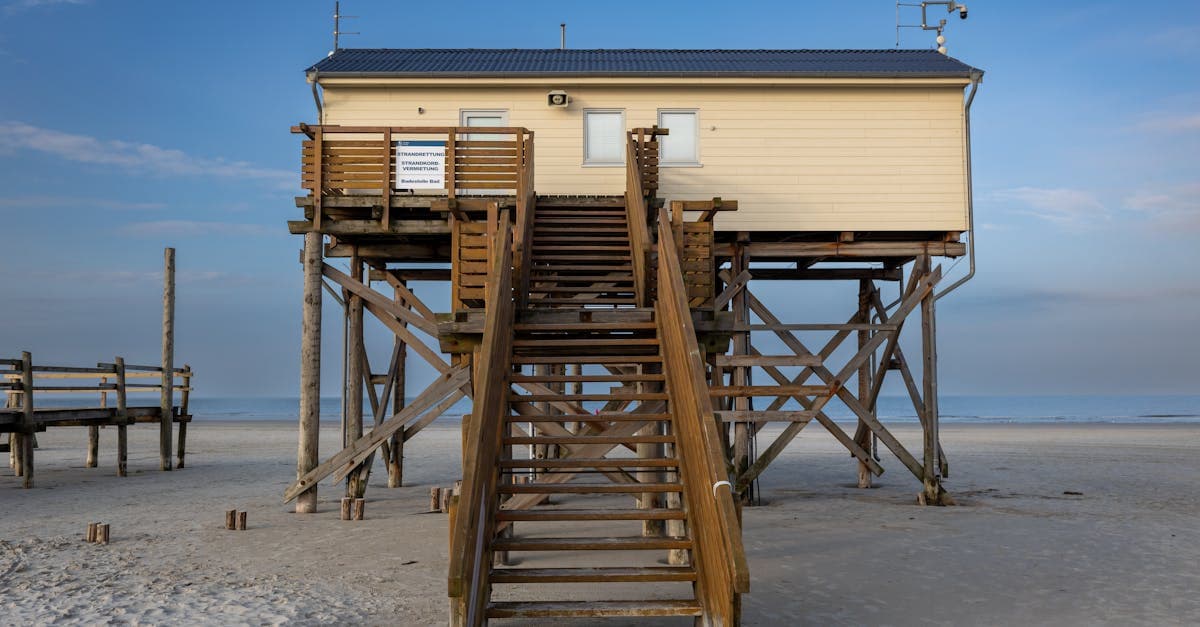
Elevated construction in Florida: Florida building codes require new construction in flood zones to be elevated above the base flood elevation. Homes built on pilings, stilts, or raised foundations comply with this requirement. Elevated homes still require flood insurance in mandatory zones but typically pay lower premiums because the living space is above the expected flood level.
Flood vents and openings: Enclosures below the base flood elevation — such as ground-level garages — must have flood vents that allow water to enter and exit freely. Proper flood vents reduce structural damage during flooding and can affect insurance ratings. However, they do not remove the insurance requirement.
Flood barriers and retrofits: Homeowners can install barriers, waterproof coatings, and other retrofits to reduce flood damage. These measures may qualify for premium discounts but do not change the flood zone designation or eliminate the insurance requirement. FEMA's Community Rating System provides premium discounts for communities that implement comprehensive flood mitigation.
The Community Rating System (CRS): Many Florida communities participate in the CRS, which recognizes community-level floodplain management activities that exceed NFIP minimum requirements. Participating communities earn premium discounts of 5 to 45 percent for their residents. These discounts reduce the cost of both required and voluntary flood insurance.
Mitigation grants: FEMA offers mitigation grants for flood-prone properties, including funding for elevation, flood-proofing, and in some cases, property buyouts. Florida homeowners with repetitive flood losses may qualify for increased mitigation assistance.
When Flood Insurance Is Not Required in Florida — But You Should Still Have It
The evidence is clear. The federal flood insurance mandate captures properties in the highest-risk zones with federal mortgages. But millions of Florida properties face real flood risk without a legal requirement to carry coverage. Understanding this gap is critical because the missing ingredient that ruins the entire financial recipe when Florida homeowners skip flood insurance and a hurricane serves up storm surge.
Properties outside high-risk zones: Florida properties in Zone X, B, or C are not subject to the federal mandate regardless of mortgage type. Yet over 25 percent of NFIP flood claims come from these moderate and low-risk zones. In Florida, where flat terrain impedes drainage and heavy rainfall can overwhelm stormwater systems, flooding in non-mandatory zones is a regular occurrence.
Properties without federal mortgages: Homes owned outright, financed through private lenders not subject to federal regulation, or held in certain trust arrangements may not face a federal flood insurance mandate even if they are in high-risk zones. The absence of a mortgage requirement does not reduce the flood risk — it simply removes the mandated financial protection.
Homes where the mortgage is paid off: Many Florida homeowners drop flood insurance once they pay off their mortgage and the legal requirement ends. This is one of the most dangerous financial decisions a Florida homeowner can make. The flood risk has not changed — only the requirement has been removed.
The financial argument for voluntary coverage: A single inch of floodwater in a home can cause $25,000 in damage. Two feet of water can cause $80,000 or more. Without flood insurance, these costs come entirely from savings, loans, or home equity. Federal disaster assistance, when available, typically comes as loans that must be repaid — not grants. FEMA individual assistance averages around $5,000 to $8,000, a fraction of actual flood repair costs.
Affordable options for voluntary coverage: Properties outside high-risk zones may qualify for NFIP Preferred Risk Policies with premiums as low as $300 to $600 per year. For this cost, the coverage provides $250,000 in building protection and $100,000 in contents protection — an exceptional value for properties that face real flood risk without a mandate.
How Elevation and Mitigation Affect Flood Insurance Requirements and Costs in Florida
The evidence is clear. While elevation and mitigation measures do not eliminate flood insurance requirements in mandatory zones, they significantly affect the cost of coverage and the practical risk your Florida property faces.
Elevation certificates: An elevation certificate documents your property's elevation relative to the base flood elevation established by FEMA. Properties built above the base flood elevation face lower flood risk and typically qualify for lower insurance premiums, even in mandatory zones. Obtaining an elevation certificate is one of the most effective steps a Florida homeowner can take to potentially reduce flood insurance costs.
Elevated construction in Florida: Florida building codes require new construction in flood zones to be elevated above the base flood elevation. Homes built on pilings, stilts, or raised foundations comply with this requirement. Elevated homes still require flood insurance in mandatory zones but typically pay lower premiums because the living space is above the expected flood level.
Flood vents and openings: Enclosures below the base flood elevation — such as ground-level garages — must have flood vents that allow water to enter and exit freely. Proper flood vents reduce structural damage during flooding and can affect insurance ratings. However, they do not remove the insurance requirement.
Flood barriers and retrofits: Homeowners can install barriers, waterproof coatings, and other retrofits to reduce flood damage. These measures may qualify for premium discounts but do not change the flood zone designation or eliminate the insurance requirement. FEMA's Community Rating System provides premium discounts for communities that implement comprehensive flood mitigation.
The Community Rating System (CRS): Many Florida communities participate in the CRS, which recognizes community-level floodplain management activities that exceed NFIP minimum requirements. Participating communities earn premium discounts of 5 to 45 percent for their residents. These discounts reduce the cost of both required and voluntary flood insurance.
Mitigation grants: FEMA offers mitigation grants for flood-prone properties, including funding for elevation, flood-proofing, and in some cases, property buyouts. Florida homeowners with repetitive flood losses may qualify for increased mitigation assistance.
FEMA Flood Zones in Florida: What They Mean for Requirements
This brings us to a critical distinction. FEMA classifies every area in the United States into flood zones based on the probability and type of flooding. In Florida, these zone designations are the primary driver of flood insurance requirements.
Zone A and its variants (AE, AH, AO, AR, A99): These are high-risk zones with a one percent or greater annual chance of flooding — the so-called 100-year flood zone. Zone AE is the most common in Florida, indicating that FEMA has determined the base flood elevation. Properties in A zones with federal mortgages face mandatory flood insurance. Florida has millions of properties in A zone designations.
Zone V and its variants (VE): These are coastal high-hazard zones subject to storm surge and wave action in addition to flooding. V zones represent the highest flood risk in Florida. Found along the coast, barrier islands, and low-lying coastal areas, V zone properties face the strictest insurance requirements and the highest premiums. VE zones include determined base flood elevations.
Zone X (shaded): Moderate flood risk, representing areas between the 100-year and 500-year flood boundaries. No federal insurance mandate applies, but flood risk is real. Many Florida properties in Zone X shaded have experienced significant flood damage from heavy rainfall and poor drainage.
Zone X (unshaded): Minimal flood risk areas outside the 500-year floodplain. No federal requirement and the lowest statistical flood risk. However, approximately 20 percent of NFIP claims come from X zones, demonstrating that minimal risk does not mean zero risk — particularly in Florida's flat terrain.
Zone D: Areas where flood hazards are undetermined because FEMA has not conducted a detailed flood study. Some Florida areas still carry Zone D designations. Lenders may require flood insurance in Zone D areas as a precautionary measure even though no formal FEMA determination exists.
How to check your zone: Visit FEMA's Flood Map Service Center at msc.fema.gov or your county's property appraiser website to look up your property's flood zone designation. The zone listed on the current Flood Insurance Rate Map determines your insurance requirement.
Flood Map Changes, Appeals, and Zone Reclassification in Florida
This brings us to a critical distinction. FEMA flood maps are not permanent. They are periodically updated to reflect new data, changing conditions, and improved modeling. These updates can move Florida properties into or out of mandatory flood insurance zones.
How map changes happen: FEMA updates flood maps through a process that includes new engineering studies, updated topographic data, and community input. When a map revision affects your area, FEMA provides a public comment period before the new maps become effective. Florida communities and property owners can challenge proposed changes during this period.
Being mapped into a flood zone: When a Florida property is mapped into a Special Flood Hazard Area through a map revision, the homeowner with a federal mortgage must purchase flood insurance within the compliance window — typically 12 months from the effective date of the new map. Newly mapped properties may qualify for lower rates initially through the NFIP's grandfathering provisions.
Being mapped out of a flood zone: When a property is moved from a high-risk zone to a moderate or low-risk zone through a map revision, the mandatory flood insurance requirement is removed for future policy periods. However, FEMA and insurance professionals strongly recommend maintaining coverage because the underlying risk factors may not have changed.
Letter of Map Amendment (LOMA): Florida property owners who believe their property is incorrectly mapped in a flood zone can apply for a LOMA. This requires an elevation certificate from a licensed surveyor showing that the natural grade of the property is at or above the base flood elevation. A successful LOMA removes the property from the Special Flood Hazard Area and eliminates the mandatory insurance requirement.
Letter of Map Revision (LOMR): When physical changes to the landscape — like the construction of a levee, fill work, or drainage improvements — remove flood risk from an area, a LOMR can officially change the zone designation. This requires engineering documentation and FEMA approval.
Cost of appeals: LOMA applications for single residential lots have no FEMA processing fee when the request involves only a single structure. The primary cost is the elevation certificate from a surveyor, which typically runs $300 to $600 in Florida. This is a one-time cost that can permanently remove the flood insurance requirement.
FEMA Flood Zones in Florida: What They Mean for Requirements
This brings us to a critical distinction. FEMA classifies every area in the United States into flood zones based on the probability and type of flooding. In Florida, these zone designations are the primary driver of flood insurance requirements.
Zone A and its variants (AE, AH, AO, AR, A99): These are high-risk zones with a one percent or greater annual chance of flooding — the so-called 100-year flood zone. Zone AE is the most common in Florida, indicating that FEMA has determined the base flood elevation. Properties in A zones with federal mortgages face mandatory flood insurance. Florida has millions of properties in A zone designations.
Zone V and its variants (VE): These are coastal high-hazard zones subject to storm surge and wave action in addition to flooding. V zones represent the highest flood risk in Florida. Found along the coast, barrier islands, and low-lying coastal areas, V zone properties face the strictest insurance requirements and the highest premiums. VE zones include determined base flood elevations.
Zone X (shaded): Moderate flood risk, representing areas between the 100-year and 500-year flood boundaries. No federal insurance mandate applies, but flood risk is real. Many Florida properties in Zone X shaded have experienced significant flood damage from heavy rainfall and poor drainage.
Zone X (unshaded): Minimal flood risk areas outside the 500-year floodplain. No federal requirement and the lowest statistical flood risk. However, approximately 20 percent of NFIP claims come from X zones, demonstrating that minimal risk does not mean zero risk — particularly in Florida's flat terrain.
Zone D: Areas where flood hazards are undetermined because FEMA has not conducted a detailed flood study. Some Florida areas still carry Zone D designations. Lenders may require flood insurance in Zone D areas as a precautionary measure even though no formal FEMA determination exists.
How to check your zone: Visit FEMA's Flood Map Service Center at msc.fema.gov or your county's property appraiser website to look up your property's flood zone designation. The zone listed on the current Flood Insurance Rate Map determines your insurance requirement.
Flood Insurance Requirements in a Changing Florida
Florida's flood landscape is evolving. Sea levels are rising. Hurricane intensity is increasing. Rainfall events are becoming more extreme. And FEMA is updating flood maps to reflect these changing realities. All of these trends point toward expanded flood risk and potentially expanded requirements.
For homeowners currently in mandatory zones, the outlook suggests continued or increasing premium costs as Risk Rating 2.0 takes full effect and actuarial rates reflect true risk. Mitigation investments — elevation, flood vents, and community-level improvements — become more valuable as premiums rise.
For homeowners currently outside mandatory zones, the trend suggests that some properties will be mapped into high-risk zones as maps are updated. Properties near the current boundary between Zone X and Zone AE should be particularly attentive to map revision notices.
For all Florida homeowners, the long-term outlook reinforces the importance of treating flood insurance as a core component of property ownership. The requirements may change, the maps will be updated, and the premiums will evolve — but the underlying reality of flood risk in Florida is not going away.
Stay informed, maintain your coverage, invest in mitigation where possible, and ensure that your flood protection keeps pace with your property's actual risk. The future of flood insurance in Florida is one of increasing importance, and the homeowners who prepare now will be best positioned to weather whatever comes next.
Continue reading

Online Insurance Quotes vs Agent Quotes: Which Should You Trust?
Online quote tools offer convenience but often use default assumptions that may not match your situation. Understanding the differences between digital quotes and agent-prepared quotes helps you shop smarter.

Policy Checkup Before and After Retirement: Adjusting for a New Phase
Retirement changes your income, assets, driving patterns, and insurance needs. A policy checkup at retirement realigns your coverage with your new lifestyle and financial priorities.

How AOB Abuse Drives Up Insurance Premiums for Everyone
Fraudulent and inflated AOB claims increase insurer payouts, which get passed along as higher premiums. Understanding AOB abuse helps you see why reform efforts have gained momentum.