How Does a Borrowed Car Accident Affect Your Insurance Record?

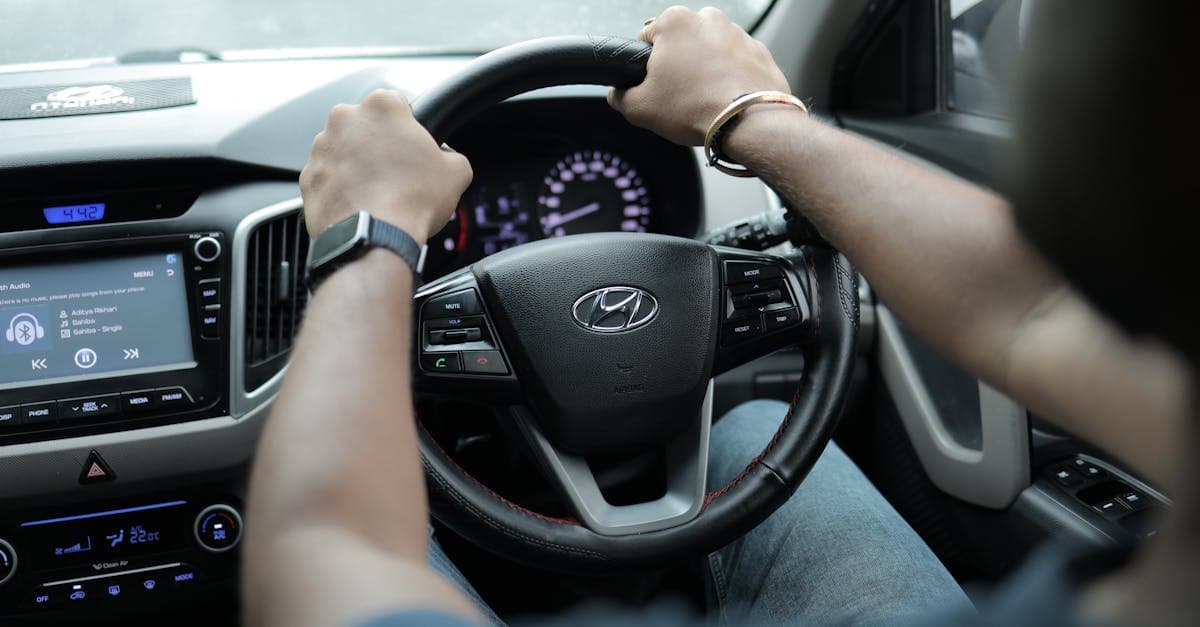
Here is what happens when someone else crashes your car: your insurance pays first. Your deductible applies. The claim goes on your record. Your rates may increase. The borrower walks away with a clean insurance record while you deal with the financial aftermath.
Now here is what you need to do about it. If the crash already happened, document everything immediately — photos, police report, witness information. Contact your insurance company and file a claim. Be honest about who was driving and whether they had your permission. Do not attempt to cover up who was behind the wheel, as this constitutes insurance fraud.
If the crash has not happened yet and you are considering lending your car, weigh the risk. Every time you hand someone your keys, you are accepting the possibility of a claim on your policy. That does not mean you should never lend your car — it means you should lend it with full awareness of the potential consequences.
The rest of this guide covers every aspect of borrowed-car accidents: the claims process, liability questions, deductible recovery, rate impact, legal options, and strategies for protecting yourself financially when someone else is behind your wheel.
What Happens If the Borrower Has No Insurance
This brings us to a critical distinction. When an uninsured driver crashes your car, the coverage dynamics become more concerning because there is no secondary insurance to backstop your policy. Your insurance bears the entire burden, and any damages exceeding your limits become your personal responsibility.
Your policy as the only coverage: Without the borrower having their own insurance, there is no secondary coverage available. Your liability, collision, and other coverages must handle the entire claim. If damages exceed your policy limits, there is no secondary insurer to pick up the excess.
Why this matters for liability: In a serious injury accident, liability claims can easily exceed six figures. If the uninsured borrower causes $200,000 in injuries and your per-person liability limit is $50,000, the remaining $150,000 is your exposure. With an insured borrower, their policy could cover the excess. Without it, you are personally liable.
Coverage denial risk: Some policies have provisions that may limit or deny coverage for accidents involving drivers who are known to be uninsured. While this is not standard, reviewing your policy's permissive use clause for any such restrictions is prudent before lending to an uninsured driver.
The practical advice: Before lending your car, ask whether the borrower has their own auto insurance. An insured borrower provides a secondary safety net that an uninsured borrower cannot. This is not about trust — it is about financial protection.
Non-owner insurance as a solution: If the borrower does not own a car but needs to borrow yours regularly, suggest they purchase a non-owner insurance policy. These policies are relatively inexpensive and provide the secondary coverage that protects both the borrower and you as the vehicle owner.
Documenting the Accident for Maximum Claim Recovery
The evidence is clear. Thorough documentation after a borrowed-car accident strengthens your insurance claim and protects your rights. The steps you take in the first hours after the crash significantly affect the outcome of your claim.
At the accident scene: Photograph all vehicle damage from multiple angles — wide shots and close-ups. Capture the overall scene including road conditions, traffic signals, and weather. Photograph the other vehicles involved, license plates, and any visible injuries. If there is debris, skid marks, or other physical evidence, document it.
Information exchange: Collect the other driver's name, address, phone number, insurance company, policy number, driver's license number, and vehicle registration information. Get the same information from any witnesses. Record the exact location, date, and time of the accident.
Police report: If police respond to the scene, get the officer's name and badge number and the report number. Request a copy of the police report when it becomes available — typically within a few days. The police report provides an official account of the accident that supports your claim.
Borrower's statement: Ask the borrower to write a detailed account of what happened while the events are fresh in their memory. Include the route they were taking, the speed they were traveling, what they observed before the accident, and any statements made by other parties at the scene.
Ongoing documentation: Keep records of all communication with your insurer, repair estimates, rental car expenses, and any other costs related to the accident. If the claim is disputed or goes to litigation, this documentation trail is essential for supporting your position and recovering your costs.
Your Liability Exposure When Someone Crashes Your Car
The evidence is clear. As the vehicle owner, you may face personal liability when someone crashes your car — particularly if the accident causes serious injuries that exceed your insurance coverage. Understanding your liability exposure helps you take protective steps before lending your vehicle.
Vicarious liability by state: Many states impose some form of vicarious liability on vehicle owners for accidents caused by authorized drivers. In these states, the injured party can sue both the driver and the vehicle owner. The extent of the owner's liability varies by state — some cap it at the insurance policy limits, while others allow claims against the owner's personal assets.
Negligent entrustment claims: If you lend your car to someone you know or should know is a dangerous driver — someone with a history of DUIs, suspended license, or reckless driving — you may face a negligent entrustment claim. This legal theory holds that you were negligent in trusting an incompetent driver with your vehicle. Negligent entrustment can bypass insurance limits and reach your personal assets.
When coverage limits are exceeded: If the borrower causes an accident resulting in injuries that exceed your liability limits, the excess amount is your financial responsibility. A $100,000 injury claim against $50,000 in per-person liability coverage leaves $50,000 potentially coming from your personal assets.
Umbrella insurance protection: A personal umbrella insurance policy provides additional liability coverage beyond your auto policy limits — typically $1 million or more. For vehicle owners who lend their cars, umbrella coverage provides a crucial additional layer of protection against catastrophic liability claims.
Protecting your assets: The best protection is adequate liability coverage. Carrying only state minimum liability limits — often $10,000 to $25,000 — leaves you dangerously exposed. Higher limits cost relatively little compared to the protection they provide, especially when you consider that anyone driving your car could trigger a claim against those limits.
Injury Claims: When Someone Gets Hurt in a Borrowed Car Crash
This brings us to a critical distinction. When a borrowed-car accident involves injuries to other drivers, passengers, or pedestrians, the stakes escalate dramatically. Injury claims are the most expensive type of auto insurance claim, and understanding how they work when someone else is driving your car is essential.
Your liability coverage responds: Your bodily injury liability coverage pays for injuries the borrower causes to other parties. This includes medical expenses, lost wages, pain and suffering, and rehabilitation costs. Your per-person and per-accident liability limits determine the maximum your insurer will pay.
Injuries to the borrower: If the borrower is injured in the accident, your medical payments or PIP coverage may apply to their injuries, depending on your state and policy. The borrower may also have a claim against the at-fault party if another driver contributed to the accident. Your liability coverage does not pay for the borrower's own injuries.
Injuries to passengers: Passengers in your car at the time of the accident can file claims against your liability coverage or your medical payments coverage. If the borrower's negligence caused the accident and injured a passenger, the passenger's claim falls under your policy because the car — and its insurance — was involved.
The lawsuit risk: Serious injury claims frequently result in lawsuits. As the vehicle owner, you may be named in the lawsuit along with the borrower. Your insurer provides legal defense as part of your liability coverage, but if the judgment exceeds your policy limits, your personal assets may be at risk.
Protecting against catastrophic claims: Carrying adequate bodily injury liability limits is the best protection against catastrophic injury claims from borrowed-car accidents. State minimums are dangerously low for serious accidents. Limits of $100,000 per person and $300,000 per accident, combined with an umbrella policy, provide meaningful protection.
How a Borrower's Crash Affects Your Insurance Rates
The evidence is clear. One of the most frustrating consequences of a borrowed-car accident is the potential impact on your insurance premium — the ruined dish that results when someone else takes over your kitchen without your skill. Since the claim is filed against your policy, your insurer may increase your rates at renewal, even though you were not behind the wheel.
Why your rates may increase: Insurers base premium calculations on claims history. A collision claim on your policy signals increased risk to the insurer, regardless of who was driving. The insurer's perspective is that your vehicle was involved in an accident, and they paid a claim. This statistical risk factor affects your premium.
The magnitude of the increase: Rate increases from a single at-fault collision claim vary by insurer and state but typically range from 20 to 40 percent. A $1,200 annual premium could jump to $1,440 to $1,680. This increase persists for three to five years as the claim works through your rating history.
Not-at-fault considerations: If the borrower was not at fault for the accident — for example, another driver hit your car while the borrower was stopped at a red light — the rate impact may be minimal. Not-at-fault claims are treated more favorably than at-fault claims by most insurers. However, some insurers still adjust premiums after any claim regardless of fault.
Accident forgiveness programs: Some insurers offer accident forgiveness that waives the rate increase for a first at-fault claim. If you have this feature on your policy, a borrower's first accident may not affect your premium. Check whether your policy includes accident forgiveness before relying on it.
Long-term financial impact: A 30 percent rate increase sustained over four years on a $1,500 annual premium costs an additional $1,800 in total premium — on top of the deductible and any other out-of-pocket expenses from the accident. This total cost should factor into your decision about lending your car.
Recovering Your Costs from the Borrower
This brings us to a critical distinction. After paying your deductible and absorbing potential rate increases from a borrowed-car accident, you may want to recover some of those costs from the person who actually caused the crash. Understanding your options for recovery is cleaning up the kitchen after someone else's cooking disaster scorched your investment.
Direct negotiation: The simplest approach is a direct conversation with the borrower about reimbursing your deductible and potentially other out-of-pocket costs. Most reasonable people acknowledge their responsibility and agree to pay. Get any agreement in writing, including the amount and payment schedule.
Small claims court: If the borrower refuses to reimburse you voluntarily, small claims court is the most practical legal option for amounts up to the court's jurisdictional limit — typically $5,000 to $10,000 depending on your state. The process is straightforward, relatively inexpensive, and does not require an attorney.
What you can recover: You can potentially recover your collision deductible, the cost of a rental car not covered by your policy, diminished value of your vehicle after repair, and any other out-of-pocket expenses directly caused by the accident. You generally cannot recover the intangible cost of your premium increase because that increase is between you and your insurer.
Subrogation by your insurer: If the borrower was at fault and has their own insurance, your insurer may pursue subrogation — a process where your insurer seeks reimbursement from the borrower's insurer. If subrogation is successful, your deductible may be refunded. Ask your claims adjuster whether subrogation will be pursued.
When collection is impractical: If the borrower has no insurance, no significant assets, and limited income, recovering costs through legal action may not be worth the effort. A court judgment is only valuable if the borrower can actually pay it. Consider this reality before investing time and filing fees in small claims court.
Who Pays the Deductible After a Borrower's Crash
This brings us to a critical distinction. One of the most contentious issues after a borrowed-car accident is who pays the collision deductible. Your insurance requires you to pay the deductible before coverage kicks in, but whether the borrower should reimburse you is a separate question.
Your obligation to the insurer: Your collision deductible is your financial responsibility under your policy. Whether it is $500, $1,000, or more, you must pay it before the insurer covers the remaining repair costs. The insurer does not care who was driving — they care about the contractual deductible amount.
The borrower's moral obligation: While there is no automatic legal requirement for the borrower to pay your deductible, most people consider it the right thing to do. The borrower caused the accident using your vehicle, and the deductible is a direct financial consequence of their actions.
Negotiating reimbursement: Have a direct conversation with the borrower about the deductible. Most reasonable people will agree to reimburse you, especially if the accident was clearly their fault. Get any agreement in writing to avoid misunderstandings later. If the borrower has renters or personal liability insurance, it may cover the deductible.
Small claims court option: If the borrower refuses to pay your deductible and you want to pursue it legally, small claims court is typically the appropriate venue. The process is straightforward and does not require an attorney. You will need documentation of the accident, the deductible payment, and evidence that the borrower was driving.
Subrogation possibility: If the borrower was at fault and has their own insurance, your insurer may pursue subrogation against the borrower or their insurer to recover claim payments. If successful, your deductible may be refunded through the subrogation process.
Looking Ahead: Managing Vehicle Lending Risk
The risks associated with lending your vehicle are not going away — if anything, they are increasing as vehicle values, repair costs, and medical expenses continue to rise. The potential financial impact of a borrowed-car accident is larger today than at any point in the past.
Technology may eventually change the equation. Usage-based insurance, telematics, and connected vehicle technology could create more precise coverage models that differentiate between the vehicle owner's driving and a borrower's driving. But for now, the traditional framework applies: insurance follows the car, and the car owner bears the consequences.
The best strategy is the timeless one: carry adequate coverage, understand your policy, lend your car thoughtfully, and prepare for the possibility that a borrowed-car accident could happen to you. The cost of preparation is minimal. The cost of being unprepared can be devastating.
Continue reading

Online Insurance Quotes vs Agent Quotes: Which Should You Trust?
Online quote tools offer convenience but often use default assumptions that may not match your situation. Understanding the differences between digital quotes and agent-prepared quotes helps you shop smarter.
Policy Checkup Before and After Retirement: Adjusting for a New Phase
Retirement changes your income, assets, driving patterns, and insurance needs. A policy checkup at retirement realigns your coverage with your new lifestyle and financial priorities.

How AOB Abuse Drives Up Insurance Premiums for Everyone
Fraudulent and inflated AOB claims increase insurer payouts, which get passed along as higher premiums. Understanding AOB abuse helps you see why reform efforts have gained momentum.