Mold After Flooding: Why Homeowners Insurance Will Not Pay

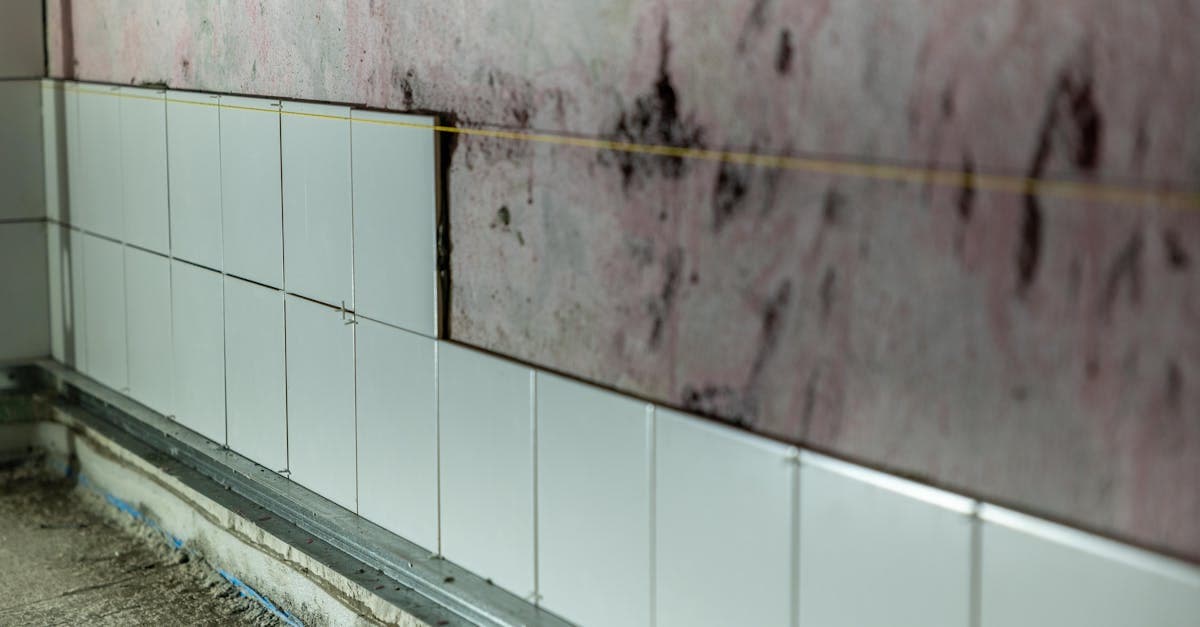
Here is mold coverage in thirty seconds: your homeowners insurance covers mold only when it results from a sudden, covered event like a burst pipe or storm damage. Mold from gradual leaks, humidity, poor ventilation, or flooding is excluded. Even when covered, most policies cap mold payouts at $5,000 to $10,000.
Now here is why thirty seconds is not enough. The line between covered and excluded mold is not always clear, and the stakes are high enough to demand detailed understanding. Mold remediation for a moderate infestation costs $5,000 to $15,000. Severe cases involving multiple rooms, HVAC contamination, or structural remediation can exceed $30,000.
Your policy's mold coverage depends on specific language that varies by insurer and by state. Some policies include mold coverage up to a sublimit as standard. Others exclude mold entirely unless you purchase an endorsement. Still others provide coverage only for mold resulting from specific listed perils.
The practical implications are significant. When you discover mold, your first action — after ensuring safety — should be understanding what caused it. That cause determines whether you have a valid insurance claim or a large out-of-pocket expense. This guide walks through every scenario so you know exactly where you stand.
Mold Exclusions: What Your Policy Will Not Cover
This brings us to a critical distinction. Understanding mold exclusions is arguably more important than understanding what is covered, because the excluded scenarios are far more common than the covered ones. Most mold growth in homes results from conditions your policy deliberately excludes.
Gradual moisture exclusion: The most common mold exclusion applies to mold from moisture that accumulated gradually. Slow leaks under sinks, behind walls, or in crawl spaces that produce mold over weeks or months are excluded. The insurer's position is that regular maintenance and inspection should have caught the moisture before mold developed.
Humidity and condensation exclusion: Mold from high indoor humidity, condensation on windows or walls, or inadequate climate control is excluded. These conditions are considered controllable through proper ventilation, dehumidification, and HVAC maintenance — making them maintenance issues, not insurable perils.
Flood exclusion: Mold resulting from flood damage is excluded from standard homeowners insurance because flood damage itself is excluded. Even if you have a separate flood insurance policy through the NFIP, that policy has its own mold coverage limitations. The gap between homeowners and flood mold coverage catches many homeowners in flood-prone areas.
Maintenance neglect exclusion: Mold resulting from deferred maintenance — clogged gutters causing water backup, deteriorated caulking around windows, unsealed exterior penetrations, or neglected plumbing fixtures — is excluded. Insurers classify these as homeowner responsibilities.
Earth movement exclusion: Mold from foundation cracks caused by settling, earthquakes, or soil movement is excluded because the underlying earth movement is excluded from standard policies.
Documenting Mold Damage for Your Insurance Claim
The evidence is clear. The strength of your mold claim depends heavily on the quality of your documentation. Thorough documentation establishes the cause, timeline, and extent of mold damage — the three factors your insurer evaluates most closely.
Photograph everything immediately: Take photos of all visible mold, water damage, moisture stains, and affected materials before any cleanup begins. Include wide shots showing the affected area's context and close-ups of mold growth patterns. Photograph the suspected moisture source if visible — the burst pipe, failed appliance, or storm damage that triggered the mold.
Document the moisture source: Your claim's success depends on proving the mold resulted from a covered peril. Photograph the water source, save the failed component if possible, and note the date and time you discovered both the water damage and the mold. If a plumber or contractor identifies the moisture source, get their assessment in writing.
Keep a timeline: Record when you first noticed signs of mold — musty smells, visible growth, stains, or health symptoms. Note when you discovered the moisture source, when you reported the claim, and when you took mitigation steps. This timeline helps establish that the mold developed from a sudden event, not gradual neglect.
Professional assessments: Hire a certified mold inspector to assess the extent of contamination and identify the moisture source. Their professional report carries significant weight with insurers. Make sure the inspector is certified by a recognized organization and uses standardized testing protocols.
Mitigation documentation: Document every step you take to mitigate the damage — water extraction, drying equipment deployment, temporary repairs, and protective measures. Save receipts for all mitigation expenses. Your insurer is more likely to approve your claim when documentation shows you acted promptly and responsibly.
Mold Coverage Limits and Sublimits Explained
The evidence is clear. Even when mold is covered under your homeowners policy, the amount your insurer will pay is typically far below your overall policy limits. Mold sublimits represent the contamination spreading through your home's structure like bacteria through an unsealed container until the entire investment is compromised that many homeowners do not discover until filing a claim.
How sublimits work: A sublimit is a maximum payout for a specific type of claim that is lower than your overall policy limit. If your homeowners policy has $300,000 in dwelling coverage but a $10,000 mold sublimit, the most your insurer will pay for mold remediation is $10,000 — regardless of the actual remediation cost.
Common sublimit amounts: Most standard homeowners policies sublimit mold at $5,000 to $10,000. Some policies set the sublimit even lower — $1,000 to $3,000 — particularly in high-humidity states where mold claims are most frequent. A few policies provide no mold coverage at all without a separate endorsement.
What the sublimit covers: The mold sublimit typically applies to all mold-related costs from a single event: testing, remediation, disposal, and repairs to materials damaged by the mold itself. Some policies count these costs against your overall dwelling coverage with the sublimit as the mold-specific cap. Others treat the sublimit as entirely separate from your main coverage.
Sublimit adequacy: Professional mold remediation for a moderate infestation typically costs $5,000 to $15,000. Severe cases involving multiple rooms, HVAC systems, or structural remediation can exceed $30,000. A $5,000 or even $10,000 sublimit covers only a fraction of these costs, leaving the homeowner responsible for the remainder.
Increasing your sublimit: Mold endorsements that raise your sublimit are available from most insurers. These endorsements typically increase your mold coverage to $25,000 or $50,000 for an annual premium of $50 to $200. For homeowners in high-risk climates, this endorsement is one of the most cost-effective coverage improvements available.
Mold in HVAC Systems: Coverage and Remediation
This brings us to a critical distinction. When mold colonizes your HVAC system, the remediation becomes significantly more complex and expensive than surface mold removal. Understanding how insurance handles HVAC mold claims helps you prepare for this costly scenario.
How mold enters HVAC systems: Mold spores are always present in indoor air. When moisture accumulates in HVAC components — evaporator coils, drain pans, ductwork, or air handlers — mold colonizes these surfaces and distributes spores throughout the home. The result is whole-house contamination from a single moisture source.
HVAC mold remediation costs: Cleaning and treating HVAC ductwork for mold costs $2,000 to $6,000 depending on system size and contamination severity. If the air handler, coils, or other components are contaminated, remediation can reach $10,000 or more. Complete duct replacement in severe cases can exceed $15,000.
Coverage determination: Whether HVAC mold is covered depends on what caused the moisture that allowed mold to grow. If a covered event introduced moisture into the HVAC system — such as water damage from a burst pipe near the air handler — resulting mold may be covered. If mold grew from normal condensation, poor maintenance, or a clogged condensate drain, it is typically excluded.
The condensation problem: HVAC systems naturally produce condensation, and clogged condensate drains are one of the most common sources of HVAC-related mold. Insurers classify condensate drain clogs as maintenance issues, excluding the resulting mold from coverage. Regular HVAC maintenance that includes condensate drain cleaning prevents this common and expensive problem.
Air quality impact: HVAC mold affects indoor air quality throughout your home, potentially causing health symptoms for occupants. While your homeowners insurance may cover the remediation, it does not cover health-related expenses. Address HVAC mold promptly to protect both your home and your family.
How Homeowners Insurance Handles Mold Coverage
The evidence is clear. Mold coverage in homeowners insurance is the sealed preservation system that keeps your coverage fresh and effective against the spoilage of mold-related financial losses. It exists, but within carefully defined boundaries that every homeowner must understand before a claim situation arises.
The cause-based coverage model: Your homeowners policy does not cover mold as an independent peril. Instead, mold is covered only when it results from a peril your policy already covers. If a covered event — such as a burst pipe, appliance failure, or wind-driven rain through storm damage — causes water damage that leads to mold growth, the resulting mold remediation is typically covered up to your policy's mold sublimit.
What triggers coverage: The most common covered mold scenarios involve sudden water events: burst supply lines, failed water heaters, accidental appliance overflows, and storm damage that allows water intrusion. In each case, the underlying water event is sudden, accidental, and covered by the policy — which extends coverage to the mold that follows.
What remains excluded: Mold from gradual moisture, persistent humidity, condensation, poor ventilation, deferred maintenance, and flooding is excluded. These sources of mold are considered preventable through proper home maintenance, and insurers classify them outside the scope of covered perils.
Sublimits apply: Even when mold is covered, most policies impose a sublimit — a maximum payout for mold-related costs that is far below your overall coverage limit. Common sublimits range from $5,000 to $10,000, though some policies offer higher limits or allow endorsement increases.
Mold Endorsements: Adding More Protection to Your Policy
This brings us to a critical distinction. If your standard homeowners policy provides limited mold coverage, a mold endorsement can increase your protection significantly. Evaluating whether this endorsement makes sense is layering the right coverage ingredients to preserve your home's financial value against the slow spoilage of unchecked mold growth.
What mold endorsements provide: A mold endorsement typically raises your mold sublimit from the standard $5,000 to $10,000 range to $25,000, $50,000, or even $100,000 depending on the insurer. Some endorsements also broaden the covered causes of mold, though most maintain the same cause-based coverage restrictions as the base policy.
Endorsement costs: Mold endorsements typically add $50 to $200 per year to your homeowners premium, depending on the coverage amount, your location, and your insurer. In high-humidity states, endorsement costs may be higher due to elevated mold claim frequency. Even at the higher end, the cost is modest relative to the potential remediation expenses.
Who should consider a mold endorsement: Homeowners in humid climates, homes with older plumbing systems, properties with known moisture issues, and homes with finished basements or crawl spaces face elevated mold risk. If your standard mold sublimit is $5,000 or less, the endorsement becomes particularly important because even a moderate mold event can exceed that cap.
Endorsement limitations: Mold endorsements increase your payout cap but typically do not change the underlying coverage rules. The mold must still result from a covered peril to trigger the endorsement. Gradual moisture, flood-related mold, and maintenance-related mold remain excluded regardless of your endorsement amount.
Shopping for endorsements: Not all mold endorsements are equal. Compare coverage amounts, covered perils, deductible requirements, and whether the endorsement covers testing and assessment costs in addition to remediation. Ask your agent to provide the endorsement language so you can review it before purchasing.
Sudden vs Gradual Mold: The Critical Coverage Distinction
This brings us to a critical distinction. The single most important factor in mold coverage is whether the underlying moisture was sudden or gradual. This distinction determines whether your claim is approved or denied, and understanding it prevents the most common source of mold claim frustration.
Sudden events that trigger coverage: A pipe that bursts without warning, a water heater that fails catastrophically, a washing machine hose that ruptures during a cycle, storm damage that creates an opening for rain, or an accidental overflow from a tub or sink. These events share a common characteristic — they are unexpected, unpreventable, and occur at a specific moment in time.
Gradual conditions that exclude coverage: A pipe fitting that drips slowly for months, condensation accumulating in a poorly ventilated space, a slow roof leak that worsens over multiple rain events, moisture wicking through a foundation crack over time, or humidity buildup from inadequate ventilation. These conditions develop over days, weeks, or months — and your policy excludes the mold they produce.
The gray area: Some mold situations fall between clearly sudden and clearly gradual. A pipe joint that loosened gradually but finally failed suddenly. A roof patch that held for months before giving way during a storm. These cases are where coverage disputes arise, and documentation of the failure timeline becomes critical to your claim.
Insurer investigation: When you file a mold claim, the adjuster's primary investigation focuses on determining whether the moisture source was sudden or gradual. They inspect the water damage pattern, evaluate corrosion or deterioration evidence, and assess the timeline. Prepare for this investigation by documenting everything you know about when and how the moisture problem began.
Mold Coverage in a Changing Climate
Climate change is increasing humidity levels, intensifying storms, and creating conditions that favor mold growth in more regions of the country. These trends suggest that mold will become a more frequent and more expensive homeowner problem in the years ahead.
Insurance industry trends point toward continued restriction of mold coverage rather than expansion. As mold claims increase, insurers are likely to maintain or tighten sublimits, broaden exclusions, and increase endorsement costs. Homeowners who rely solely on insurance for mold protection may find that protection shrinking over time.
The forward-looking strategy is clear. Invest in prevention now — moisture control, proper ventilation, prompt leak repair — to reduce your reliance on insurance coverage that may become less available and more expensive. Carry adequate mold endorsements while they remain affordable. And stay informed about changes to your policy's mold provisions at each renewal.
The homeowners who will fare best in a changing climate are those who treat mold prevention as an ongoing priority and mold insurance as a safety net — not the other way around.
Continue reading

Online Insurance Quotes vs Agent Quotes: Which Should You Trust?
Online quote tools offer convenience but often use default assumptions that may not match your situation. Understanding the differences between digital quotes and agent-prepared quotes helps you shop smarter.

Policy Checkup Before and After Retirement: Adjusting for a New Phase
Retirement changes your income, assets, driving patterns, and insurance needs. A policy checkup at retirement realigns your coverage with your new lifestyle and financial priorities.

How AOB Abuse Drives Up Insurance Premiums for Everyone
Fraudulent and inflated AOB claims increase insurer payouts, which get passed along as higher premiums. Understanding AOB abuse helps you see why reform efforts have gained momentum.