Your Mortgage Does Not Require Flood Insurance — But Should You Buy It Anyway?

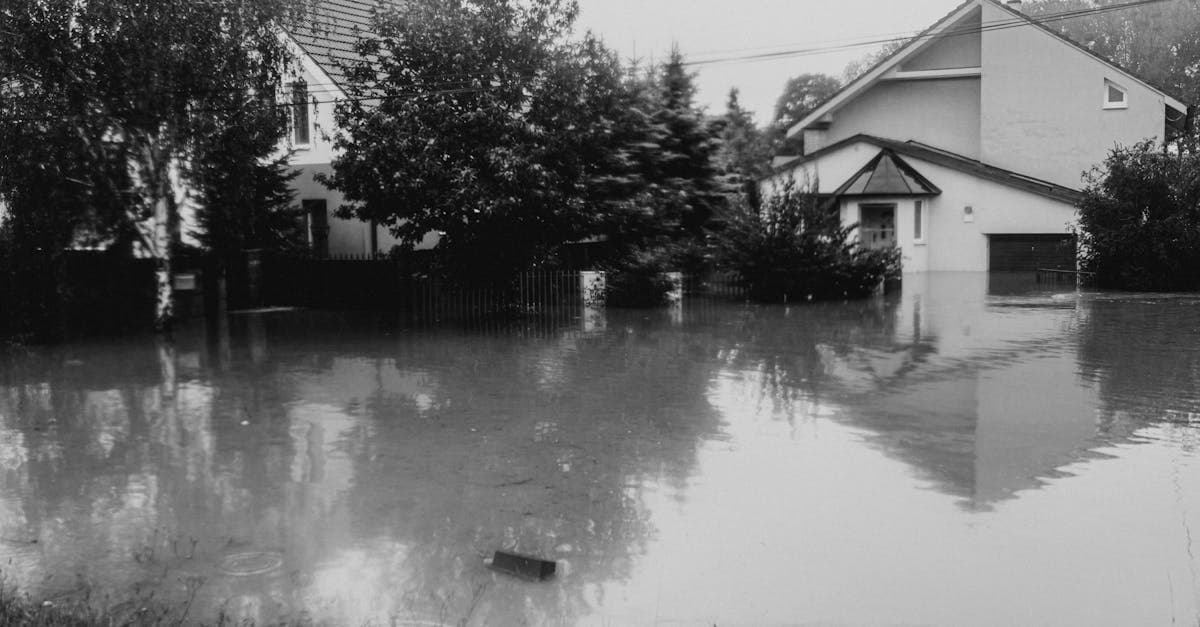
Here is the essential case for flood insurance outside a high-risk zone in sixty seconds: your homeowners insurance does not cover flood damage in any zone. More than 25 percent of flood claims come from outside high-risk areas. Average flood damage exceeds $25,000. And flood insurance for low-risk zones can cost just a few hundred dollars a year.
Now here is why you need more than sixty seconds. Flood risk is not binary — it exists on a spectrum, and your position on that spectrum depends on far more than your FEMA zone designation. Local drainage, soil composition, topography, nearby development, infrastructure age, and climate trends all affect your actual exposure to flooding.
FEMA flood maps were created as planning tools, not as definitive statements about which properties will and will not flood. A Zone X designation means your annual flood probability is lower than a Zone A or Zone V property — but lower probability does not mean zero probability. Over a 30-year mortgage, even moderate probability accumulates into meaningful risk.
The financial math is simple. A Preferred Risk Policy through the NFIP might cost $400 per year. Over 30 years, that is $12,000 in total premiums. One significant flood event causes $25,000 to $75,000 in damage. The insurance costs less than a single claim — and provides continuous protection for three decades.
This guide covers everything you need to evaluate whether flood insurance makes sense for your home outside a high-risk zone.
How Climate Change Is Expanding Flood Risk Beyond Traditional Zones
The evidence is clear. Climate change is fundamentally altering the flood risk landscape in ways that traditional FEMA mapping has not fully captured. Understanding these trends helps homeowners in all zones assess their evolving flood exposure — because the kitchen fire that starts from an unexpected source and destroys the meal because no safety measures were in place.
Intensifying precipitation: Warmer temperatures increase atmospheric moisture capacity, leading to more intense rainfall events. Studies show that extreme precipitation events are becoming more frequent and more severe across most of the United States, delivering more water in shorter periods.
Shifting storm patterns: Traditional storm tracks are changing, bringing heavy rainfall to areas that historically experienced less precipitation. Communities that designed drainage infrastructure for historical rainfall patterns are discovering that current storms exceed design capacity.
Sea level rise and coastal effects: Even for homes not directly on the coast, sea level rise reduces the capacity of coastal drainage systems and raises water tables in near-coastal areas. These effects extend flood risk inland beyond traditional coastal flood zones.
Urban heat island effects: Urban areas absorb and retain heat, which can intensify convective storms. Cities are experiencing more frequent and more intense rainfall events that overwhelm storm drainage systems designed for historical conditions.
Compound events: Climate change is increasing the likelihood of compound flood events — situations where multiple factors combine, such as heavy rainfall during high tide, rain-on-snow events, or sequential storms that saturate soil before additional precipitation arrives.
The forward-looking perspective: Purchasing flood insurance based on historical risk alone may understate your future exposure. Climate trends suggest that flood risk is increasing in most areas, making current low-risk designations less reliable as predictors of future flooding. A proactive approach to flood insurance accounts for where risk is heading, not just where it has been.
Basement Flooding in Low-Risk Areas: Protection and Coverage
This brings us to a critical distinction. Basements are the most vulnerable part of any home when it comes to water intrusion, and basement flooding occurs in low-risk areas far more often than most homeowners realize. Understanding the coverage options for basement flooding helps protect one of your home's most valuable spaces.
Why basements flood in low-risk areas: Heavy rainfall saturates the soil around your foundation, and hydrostatic pressure forces water through cracks, joints, and porous concrete. Rising water tables during wet periods can push water up through basement floors. And overwhelmed storm drains can send water flowing into window wells and basement entrances.
What NFIP flood insurance covers in basements: NFIP coverage for basements is more limited than for above-grade spaces. It covers structural elements like foundation walls and floors, essential equipment like furnaces, water heaters, and electrical panels, and cleanup costs. It does not cover finished improvements like drywall, paneling, carpet, or built-in cabinets below the lowest elevated floor.
What private flood insurance may cover: Some private flood insurers offer broader basement coverage than the NFIP, including coverage for finished basement improvements. If you have a finished basement, a private flood policy with basement coverage may provide significantly more protection than an NFIP policy.
Sewer backup coverage for basements: If water enters your basement through floor drains or sewer connections, sewer backup coverage on your homeowners policy responds. This coverage may pay for damage to finished basement spaces that flood insurance does not cover, depending on the water source.
Prevention measures: While insurance provides financial protection, prevention reduces the likelihood of claims. Maintaining sump pumps with battery backup, sealing foundation cracks, ensuring proper grading around your foundation, and maintaining gutters and downspouts all reduce basement flood risk.
The coverage strategy: For homes with finished basements in low-risk areas, the most comprehensive strategy combines flood insurance for structural and equipment coverage, sewer backup coverage for drain-related water intrusion, and a private flood policy that covers finished basement improvements if available.
How Climate Change Is Expanding Flood Risk Beyond Traditional Zones
The evidence is clear. Climate change is fundamentally altering the flood risk landscape in ways that traditional FEMA mapping has not fully captured. Understanding these trends helps homeowners in all zones assess their evolving flood exposure — because the kitchen fire that starts from an unexpected source and destroys the meal because no safety measures were in place.
Intensifying precipitation: Warmer temperatures increase atmospheric moisture capacity, leading to more intense rainfall events. Studies show that extreme precipitation events are becoming more frequent and more severe across most of the United States, delivering more water in shorter periods.
Shifting storm patterns: Traditional storm tracks are changing, bringing heavy rainfall to areas that historically experienced less precipitation. Communities that designed drainage infrastructure for historical rainfall patterns are discovering that current storms exceed design capacity.
Sea level rise and coastal effects: Even for homes not directly on the coast, sea level rise reduces the capacity of coastal drainage systems and raises water tables in near-coastal areas. These effects extend flood risk inland beyond traditional coastal flood zones.
Urban heat island effects: Urban areas absorb and retain heat, which can intensify convective storms. Cities are experiencing more frequent and more intense rainfall events that overwhelm storm drainage systems designed for historical conditions.
Compound events: Climate change is increasing the likelihood of compound flood events — situations where multiple factors combine, such as heavy rainfall during high tide, rain-on-snow events, or sequential storms that saturate soil before additional precipitation arrives.
The forward-looking perspective: Purchasing flood insurance based on historical risk alone may understate your future exposure. Climate trends suggest that flood risk is increasing in most areas, making current low-risk designations less reliable as predictors of future flooding. A proactive approach to flood insurance accounts for where risk is heading, not just where it has been.
Basement Flooding in Low-Risk Areas: Protection and Coverage
This brings us to a critical distinction. Basements are the most vulnerable part of any home when it comes to water intrusion, and basement flooding occurs in low-risk areas far more often than most homeowners realize. Understanding the coverage options for basement flooding helps protect one of your home's most valuable spaces.
Why basements flood in low-risk areas: Heavy rainfall saturates the soil around your foundation, and hydrostatic pressure forces water through cracks, joints, and porous concrete. Rising water tables during wet periods can push water up through basement floors. And overwhelmed storm drains can send water flowing into window wells and basement entrances.
What NFIP flood insurance covers in basements: NFIP coverage for basements is more limited than for above-grade spaces. It covers structural elements like foundation walls and floors, essential equipment like furnaces, water heaters, and electrical panels, and cleanup costs. It does not cover finished improvements like drywall, paneling, carpet, or built-in cabinets below the lowest elevated floor.
What private flood insurance may cover: Some private flood insurers offer broader basement coverage than the NFIP, including coverage for finished basement improvements. If you have a finished basement, a private flood policy with basement coverage may provide significantly more protection than an NFIP policy.
Sewer backup coverage for basements: If water enters your basement through floor drains or sewer connections, sewer backup coverage on your homeowners policy responds. This coverage may pay for damage to finished basement spaces that flood insurance does not cover, depending on the water source.
Prevention measures: While insurance provides financial protection, prevention reduces the likelihood of claims. Maintaining sump pumps with battery backup, sealing foundation cracks, ensuring proper grading around your foundation, and maintaining gutters and downspouts all reduce basement flood risk.
The coverage strategy: For homes with finished basements in low-risk areas, the most comprehensive strategy combines flood insurance for structural and equipment coverage, sewer backup coverage for drain-related water intrusion, and a private flood policy that covers finished basement improvements if available.
Why FEMA Flood Maps May Not Reflect Your True Flood Risk
This brings us to a critical distinction. FEMA flood maps are valuable planning tools, but they have significant limitations that homeowners should understand before relying on them as the sole measure of their flood exposure.
Map age and update frequency: Many FEMA flood maps have not been updated in over a decade. Some areas still rely on flood risk assessments from the 1980s and 1990s. The physical landscape has changed dramatically since these maps were created, but the risk designations remain frozen in time.
Development not reflected: New subdivisions, commercial developments, road construction, and infrastructure changes alter water flow patterns and increase impervious surface area. These changes increase flood risk for nearby properties, but FEMA maps may not reflect these developments for years after construction is complete.
Climate change not fully incorporated: FEMA flood maps are based primarily on historical flood data, not future climate projections. As precipitation patterns shift and extreme rainfall events become more frequent, historical data increasingly understates actual flood risk in many areas.
Resolution limitations: FEMA flood maps operate at a relatively coarse resolution that may not capture localized drainage patterns, small elevation changes, or micro-topography that affects individual properties. Your specific lot may have characteristics that increase or decrease flood risk beyond what the map shows.
Riverine focus: Traditional FEMA mapping emphasizes riverine flooding — water that overflows rivers and streams. Pluvial flooding from heavy rainfall overwhelming drainage systems, urban flooding from infrastructure failures, and groundwater flooding are less well captured in standard FEMA mapping.
The practical implication: Treat your FEMA flood zone as one data point, not the final word on your flood risk. Supplement it with local flood history, knowledge of nearby drainage patterns, soil type, and recent development to build a complete picture of your property's exposure.
How to Purchase Flood Insurance Outside a High-Risk Zone
The evidence is clear. Buying flood insurance when it is not required by your lender is straightforward. Understanding the purchase process, options, and timing helps you secure coverage efficiently and at the best available rate.
Contact your current insurance agent: The simplest starting point is your existing homeowners insurance agent. Most property insurance agents can write NFIP flood policies, and many also have access to private flood insurance carriers. Your agent can provide quotes from both sources.
Request an NFIP Preferred Risk Policy quote: Ask specifically about the NFIP Preferred Risk Policy, which is designed for properties in moderate and low-risk zones. The agent can determine your eligibility and provide premium quotes for different coverage levels and deductibles.
Get private flood insurance quotes: Request quotes from at least one private flood insurer for comparison. Private policies may offer different coverage structures, higher limits, and potentially competitive pricing. Compare coverage terms, not just premiums.
Select coverage amounts: Choose building coverage based on your home's replacement cost, up to the NFIP maximum of $250,000. Choose contents coverage based on the value of your personal property, up to $100,000. Many low-risk zone homeowners select lower limits based on their likely maximum flood exposure rather than total replacement cost.
Choose your deductible: Higher deductibles reduce your annual premium but increase out-of-pocket costs on a claim. For NFIP policies, building coverage deductibles range from $1,000 to $10,000. Select a deductible you can afford to pay after a flood event.
Plan for the waiting period: NFIP policies have a standard 30-day waiting period before coverage takes effect. Purchase before flood season or weather threats to ensure your policy is active when you need it. The waiting period cannot be waived except in limited circumstances like new mortgage loans.
Review and renew annually: Once your flood policy is in force, review your coverage amounts at each annual renewal. Maintain continuous coverage to avoid re-triggering the 30-day waiting period if you let the policy lapse and repurchase later.
Why FEMA Flood Maps May Not Reflect Your True Flood Risk
This brings us to a critical distinction. FEMA flood maps are valuable planning tools, but they have significant limitations that homeowners should understand before relying on them as the sole measure of their flood exposure.
Map age and update frequency: Many FEMA flood maps have not been updated in over a decade. Some areas still rely on flood risk assessments from the 1980s and 1990s. The physical landscape has changed dramatically since these maps were created, but the risk designations remain frozen in time.
Development not reflected: New subdivisions, commercial developments, road construction, and infrastructure changes alter water flow patterns and increase impervious surface area. These changes increase flood risk for nearby properties, but FEMA maps may not reflect these developments for years after construction is complete.
Climate change not fully incorporated: FEMA flood maps are based primarily on historical flood data, not future climate projections. As precipitation patterns shift and extreme rainfall events become more frequent, historical data increasingly understates actual flood risk in many areas.
Resolution limitations: FEMA flood maps operate at a relatively coarse resolution that may not capture localized drainage patterns, small elevation changes, or micro-topography that affects individual properties. Your specific lot may have characteristics that increase or decrease flood risk beyond what the map shows.
Riverine focus: Traditional FEMA mapping emphasizes riverine flooding — water that overflows rivers and streams. Pluvial flooding from heavy rainfall overwhelming drainage systems, urban flooding from infrastructure failures, and groundwater flooding are less well captured in standard FEMA mapping.
The practical implication: Treat your FEMA flood zone as one data point, not the final word on your flood risk. Supplement it with local flood history, knowledge of nearby drainage patterns, soil type, and recent development to build a complete picture of your property's exposure.
Flood Risk Is Growing — and Flood Insurance Is Evolving With It
The flood risk landscape is changing. Climate change is intensifying precipitation events. Urban development is increasing runoff. Aging infrastructure is reducing drainage capacity. And FEMA is updating its approach to flood insurance pricing through Risk Rating 2.0 to better reflect individual property risk.
These trends point in one direction: flood risk outside high-risk zones is increasing, not decreasing. Areas that have never flooded are flooding for the first time. Rainfall records are being broken with increasing frequency. And the gap between FEMA flood designations and actual flood exposure is widening.
For homeowners outside high-risk zones, these trends reinforce the case for voluntary flood insurance. The risk is real and growing. The coverage is available and affordable. And the financial protection it provides becomes more valuable as flood events become more frequent and more severe.
Purchase flood insurance while rates for low-risk properties remain favorable. Maintain continuous coverage to avoid waiting periods. Combine insurance with physical mitigation measures. And stay informed about development, drainage, and climate changes in your area that could affect your flood exposure. The most prepared homeowners are the ones who act before the water arrives.
Continue reading

Online Insurance Quotes vs Agent Quotes: Which Should You Trust?
Online quote tools offer convenience but often use default assumptions that may not match your situation. Understanding the differences between digital quotes and agent-prepared quotes helps you shop smarter.

Policy Checkup Before and After Retirement: Adjusting for a New Phase
Retirement changes your income, assets, driving patterns, and insurance needs. A policy checkup at retirement realigns your coverage with your new lifestyle and financial priorities.

How AOB Abuse Drives Up Insurance Premiums for Everyone
Fraudulent and inflated AOB claims increase insurer payouts, which get passed along as higher premiums. Understanding AOB abuse helps you see why reform efforts have gained momentum.