Digital Storage for Insurance Documents: Best Practices

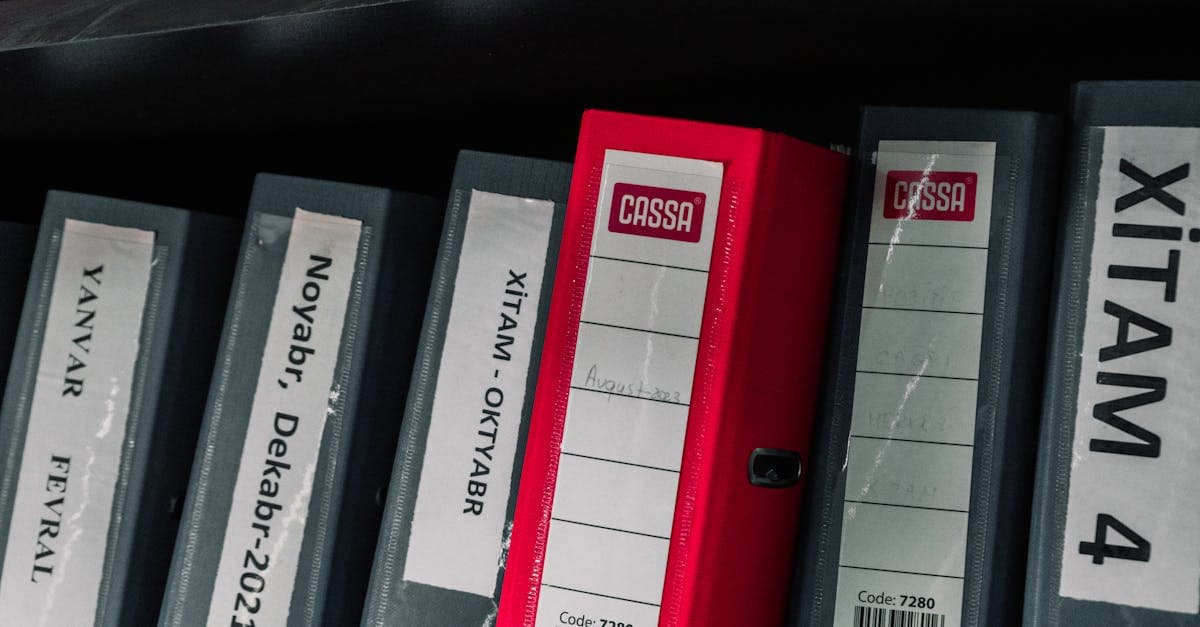
Here is what you need to keep for a home insurance claim, in priority order: your policy declarations page, a home inventory with photographs, receipts for major purchases, documentation of home improvements, and records of regular maintenance. If you have nothing else, start with photographs of every room in your home — it takes thirty minutes and can be worth thousands.
Now here is why each document matters. Your declarations page tells you and your adjuster what your policy covers and what your limits are. Your home inventory proves what you owned. Your receipts prove what items were worth. Your improvement records prove what your home is worth beyond its original condition. And your maintenance records prove you took care of your property.
After a loss occurs, you need additional documentation: photographs of all damage, contractor repair estimates, police or incident reports if applicable, temporary repair receipts, additional living expense records, and a log of every communication with your insurer.
This guide expands on each category, explains how to create and organize your documentation, and shows you how each document type supports your claim. But if you stop reading here and spend thirty minutes photographing your home today, you will already be better prepared than most homeowners.
Police Reports, Incident Reports, and Official Documentation
The evidence is clear. Certain types of losses require official documentation from law enforcement, fire departments, or other authorities. These reports create an independent record of the event that supports the circumstances of your claim.
When police reports are required: Theft, burglary, vandalism, arson, and vehicle strikes to your property all require police reports. File the report as soon as possible after discovering the loss. The police report number becomes a reference point for your insurance claim and verifies the type of incident that occurred.
Fire department reports: If fire or smoke damages your home, the fire department's incident report documents the origin, cause, and extent of the fire. Request a copy of this report for your claim file. It provides official documentation of the event that your insurer uses to verify coverage applicability.
Weather event documentation: For storm, wind, hail, or flood damage, document the weather event using National Weather Service reports, local news coverage, and any official disaster declarations. These records verify that a covered weather event occurred in your area on the dates you claim.
Utility company records: If a power surge, gas leak, or water main break caused or contributed to your damage, request documentation from the utility company confirming the event. Utility records provide independent verification that the triggering event occurred.
Emergency service documentation: If emergency services responded to your property — fire, ambulance, utility crews — request copies of their incident reports. These reports document what responders observed at the scene and what actions they took.
Filing deadlines: Official reports have filing deadlines that vary by jurisdiction and type of incident. File police reports within twenty-four hours of discovery. Request fire department and emergency service reports within the first week. Prompt filing ensures accurate reporting while details are fresh.
Mortgage Lender Documentation Requirements
This brings us to a critical distinction. Your mortgage lender has a financial interest in your property and participates in the claims process for structural damage. Understanding their documentation requirements prevents delays in receiving settlement funds.
Lender's role in claims: For claims involving structural damage, your insurer may issue the settlement check jointly to you and your mortgage lender. The lender holds these funds in escrow and releases them as repairs are completed. Understanding this process prevents frustration when you cannot cash a settlement check immediately.
Required documentation for lender: Your lender typically requires a copy of the adjuster's damage estimate, contractor repair estimates, proof of contractor licensing and insurance, lien waivers as work progresses, and final inspection documentation when repairs are complete.
Repair fund disbursement: Lenders release repair funds in draws — typically thirty-three percent at the start, thirty-three percent at the midpoint, and the final thirty-three percent upon completion and inspection. Document each repair phase with photographs and contractor invoices to support each draw request.
Communication with lender: Keep records of all communication with your mortgage lender's loss department during the claims process. Note the representative's name, their requirements, and any deadlines they impose for repair completion.
Repair completion documentation: When repairs are complete, obtain a final invoice from your contractor, take photographs of the completed work, and request a completion certificate if your lender requires one. This documentation supports the final draw of repair funds and closes the lender's involvement in your claim.
Surplus funds: If your settlement exceeds your repair costs, the surplus is released to you after repairs are complete and inspected. Document the difference between the settlement amount and actual repair costs to claim any surplus promptly.
Documenting Damage After a Loss Occurs
The evidence is clear. Post-loss damage documentation is the complete recipe book that contains every ingredient your claim needs to produce a full settlement, with receipts as measurements, photographs as preparation notes, and appraisals as the finishing touches. The evidence you gather in the first hours and days after a loss establishes the foundation for your entire claim and determines how the adjuster assesses your losses.
Immediate documentation priorities: After ensuring personal safety, begin documenting damage as soon as possible. Photograph all visible damage before any cleanup, repair, or removal of debris begins. Once items are moved, cleaned, or discarded, the original damage evidence is lost permanently.
Systematic damage recording: Document damage room by room, starting with the most severely affected areas. For each room, take wide-angle photographs showing the overall damage and close-up photographs of specific items and structural elements. Record a narrated video walkthrough describing what you see.
Written damage description: Create a written description of each damaged area and item. Include the location, the type and extent of damage, the probable cause, and any relevant details about pre-loss condition. Written descriptions supplement photographs and help adjusters assess damage that photographs alone may not fully convey.
Damaged items preservation: Do not discard damaged items until your adjuster has documented them or given you permission to dispose of them. If items must be removed for safety reasons, photograph them thoroughly before removal and keep samples if possible.
Emergency repair documentation: If you make emergency repairs to prevent further damage — tarping a roof, boarding windows, extracting water — photograph the damage before repairs, keep all receipts for materials and services, and document the repairs themselves. Your policy covers reasonable emergency repairs.
Damage timeline: Create a written timeline documenting when the loss occurred, when you discovered the damage, what emergency steps you took, and when you contacted your insurer. This timeline supports your claim narrative and demonstrates that you acted promptly and responsibly.
Maintenance Records That Support Your Claim
This brings us to a critical distinction. Records of regular home maintenance demonstrate that you fulfilled your duty to maintain your property. This matters because insurance policies require reasonable care and may deny claims for damage caused by neglected maintenance.
Roof maintenance: Keep records of roof inspections, repairs, cleaning, and replacement. Include the date of service, the contractor's name and findings, any work performed, and the next recommended service. Roof-related claims are among the most common, and maintenance records prove your roof was in good condition before the loss.
Plumbing service records: Annual plumbing inspections, drain cleaning, water heater maintenance, and any pipe repairs should be documented. These records are critical for water damage claims, where insurers may investigate whether the failure resulted from neglected maintenance or a sudden covered event.
HVAC maintenance: Regular heating and cooling system maintenance records — filter changes, annual tune-ups, refrigerant checks — demonstrate proper system care. HVAC failure claims are strengthened by records showing the system was professionally maintained.
Electrical inspections: Records of electrical inspections, panel upgrades, and wiring repairs support claims for electrical damage or fire. They also demonstrate that your electrical system met current safety standards at the time of the loss.
Pest control records: Regular pest control service records can be relevant for claims involving termite damage, which is typically excluded, versus damage caused by other pests or animals, which may be covered. Documentation of pest prevention efforts supports your claim that you maintained your property responsibly.
Tree and landscape maintenance: Records of tree trimming, dead tree removal, and landscape maintenance can be relevant if a tree falls on your home. Evidence that you maintained trees properly can counter insurer arguments that the damage resulted from neglected tree care.
Understanding and Storing Your Policy Documents
This brings us to a critical distinction. Your policy documents define the terms, limits, and conditions of your coverage. Having them accessible and understanding their contents before a loss occurs prevents surprises during the claims process.
Declarations page: This single-page summary shows your coverage limits for dwelling, other structures, personal property, loss of use, liability, and medical payments. It also lists your deductible amounts, endorsements, and policy period. Keep a current copy in your emergency document kit and your digital files.
Full policy document: The complete policy includes the declarations page, coverage forms, conditions, exclusions, and endorsements. Read it at least once so you understand what is covered, what is excluded, and what conditions apply. Note any sections that are unclear and ask your agent for clarification.
Endorsements and riders: Endorsements modify your standard coverage by adding, removing, or altering specific provisions. Common endorsements include scheduled personal property for high-value items, water backup coverage, equipment breakdown, and extended replacement cost. Verify that your endorsements match your coverage needs.
Policy storage: Store digital copies of all policy documents in your cloud storage system. Keep a physical copy in a fireproof safe or safe deposit box. Ensure that your spouse, partner, or a trusted family member knows where the documents are stored and how to access them.
Annual policy review: Review your policy documents annually, ideally at renewal. Verify that coverage limits reflect current replacement costs, endorsements match your current needs, and deductible amounts remain appropriate for your financial situation. Document any changes requested and confirm they appear on your updated declarations page.
Agent and insurer contact information: Keep your agent's name, phone number, and email address, as well as your insurer's claims department phone number and website, in an easily accessible location. In the hours after a loss, having these contacts ready saves valuable time.
Appraisals and Professional Valuations for High-Value Claims
The evidence is clear. Professional appraisals provide independent, expert valuations that your insurer cannot easily dispute. For high-value items and complex claims, professional valuations are the strongest evidence of value you can present.
Items that require appraisals: Jewelry, fine art, antiques, collectibles, musical instruments, wine collections, and any single item worth more than one thousand dollars should have a current professional appraisal. Without an appraisal, these items are valued at generic estimates that typically fall far below actual value.
Appraisal frequency: Update appraisals every two to three years, or whenever significant market changes affect the value of your items. Jewelry and art markets fluctuate, and an outdated appraisal may understate current replacement cost.
Choosing an appraiser: Select appraisers who are certified by recognized professional organizations — the American Society of Appraisers, the International Society of Appraisers, or the Appraisers Association of America for personal property. Certified appraisers provide valuations that carry the most weight with insurers.
What the appraisal should include: A useful appraisal includes a detailed description of the item, photographs, the valuation method used, comparable sales data if applicable, the appraiser's credentials, and the appraised value with the date of valuation. This level of detail supports your claim and withstands insurer scrutiny.
Appraisal storage: Store appraisals with your insurance documents in both physical and digital formats. Include them in your home inventory file alongside photographs of the appraised items. When filing a claim, submit the appraisal proactively with your initial documentation.
Scheduled personal property endorsement: For items with significant appraised values, consider adding a scheduled personal property endorsement to your policy. This endorsement lists specific items at their appraised values, guaranteeing that the insurer pays the scheduled amount in a total loss — eliminating valuation disputes entirely.
Managing Receipts and Proof of Purchase
This brings us to a critical distinction. Receipts are your primary evidence of what you paid for personal property, and they directly influence the settlement amount your insurer offers for damaged or destroyed items.
Which receipts matter most: Prioritize keeping receipts for electronics, major appliances, furniture, jewelry, artwork, sporting equipment, musical instruments, and any item worth more than one hundred dollars. These high-value items represent the largest portion of most personal property claims.
Digital receipt management: Photograph or scan paper receipts immediately after purchase. Paper receipts fade over time, becoming illegible within two to five years. A digital copy preserved in cloud storage remains readable indefinitely and survives any disaster that destroys the original.
Email receipts: Online purchases generate email receipts automatically. Create a dedicated email folder for purchase confirmations and receipts. These emails contain item descriptions, prices, and order numbers that serve as proof of purchase and value.
Credit card and bank statements as backup: When original receipts are unavailable, credit card and bank statements provide backup evidence of purchases. While they may not include item descriptions, they document the date, retailer, and amount paid. Some credit card companies can provide detailed transaction records upon request.
Receipt storage system: Organize receipts by category — electronics, appliances, furniture, home improvement, clothing — or by room. A simple folder structure in a cloud storage service keeps receipts organized and searchable. Name files with the item description and purchase date for easy retrieval.
Warranty registration as proof: Registering products for warranty creates an additional record of purchase and ownership. Manufacturers maintain registration databases that can verify you purchased the product, its serial number, and the date of acquisition.
The Future of Insurance Claim Documentation
Technology is making insurance documentation easier and more powerful. Smartphone apps can scan and categorize receipts automatically. Smart home devices create maintenance logs. Home inventory apps use artificial intelligence to identify and value items from photographs. These tools lower the effort required while increasing the quality of documentation.
Blockchain and distributed storage technologies may soon provide tamper-proof, time-stamped documentation that insurers accept without question. Digital receipt platforms that aggregate purchase history from multiple retailers could eliminate the need to save individual receipts entirely.
Insurance companies themselves are investing in documentation technology. Some carriers offer apps that guide policyholders through the inventory process, store documents in the carrier's cloud, and integrate directly with the claims system for faster processing.
Despite these advances, the fundamental principle remains unchanged: your claim is only as strong as your documentation. Technology makes it easier to create and maintain records, but it cannot create records retroactively. The best documentation technology in the world cannot photograph a room that has already been destroyed or produce a receipt for a purchase made five years ago.
Start building your documentation today using whatever tools are available to you. The technology will improve over time, but the habit of documenting your home and belongings is valuable regardless of the tools you use to do it.
Continue reading

Online Insurance Quotes vs Agent Quotes: Which Should You Trust?
Online quote tools offer convenience but often use default assumptions that may not match your situation. Understanding the differences between digital quotes and agent-prepared quotes helps you shop smarter.
Policy Checkup Before and After Retirement: Adjusting for a New Phase
Retirement changes your income, assets, driving patterns, and insurance needs. A policy checkup at retirement realigns your coverage with your new lifestyle and financial priorities.

How AOB Abuse Drives Up Insurance Premiums for Everyone
Fraudulent and inflated AOB claims increase insurer payouts, which get passed along as higher premiums. Understanding AOB abuse helps you see why reform efforts have gained momentum.