Sinkhole Coverage in Florida: What Every Homeowner Needs to Know

Here are the five most critical questions every Florida homeowner must ask before buying a policy: What is my hurricane deductible and how is it calculated? Does this policy cover flood damage or do I need separate flood insurance? What is the insurer's financial strength rating? What will my roof's age and condition mean for coverage and claims? And what wind mitigation discounts am I eligible for?
Those five questions alone can save you tens of thousands of dollars and prevent the most common coverage surprises in Florida. But they are just the starting point. Florida's insurance landscape has layers of complexity that reward deeper questioning.
Beyond those top five, you need answers about sinkhole coverage, loss of use limits, water damage exclusions, building code compliance coverage, and how your policy handles the difference between named storms and hurricanes. Each of these topics has cost Florida homeowners money when they failed to ask the right questions upfront.
The stakes are real. Florida premiums are among the highest in the nation because the risks are among the most severe. For that premium investment, you deserve a policy that actually performs when a hurricane, flood, or other disaster strikes your home. This guide walks through every question that matters, explaining why each one is important and what answers you should expect from a quality policy.
Four-Point Inspections: What Florida Insurers Are Looking For
This brings us to a critical distinction. Many Florida insurers require a four-point inspection before issuing or renewing a homeowners policy, especially for older homes. Understanding what the inspection covers and how to prepare for it speeds up your insurance application.
Roof evaluation: The inspector assesses the roof type, material, age, condition, and estimated remaining useful life. Roofs with less than five years of expected life may result in coverage denial or restrictions. Missing shingles, signs of damage, or visible wear are documented.
Electrical system inspection: The inspector evaluates the type of wiring, circuit breaker panel brand and condition, and evidence of any electrical hazards. Federal Pacific panels, Zinsco panels, aluminum wiring, and knob-and-tube wiring are red flags for Florida insurers.
Plumbing system review: The inspector examines pipe material, water heater age and condition, and evidence of leaks or water damage. Polybutylene pipes and old galvanized steel pipes can be disqualifying factors with some insurers.
HVAC system assessment: The inspector checks the age and condition of your heating and cooling system. While HVAC issues are less likely to disqualify you than roof or electrical problems, an extremely old or poorly maintained system can affect underwriting.
Preparing for the inspection: Before scheduling a four-point inspection, address visible issues you can fix. Replace missing shingles, repair obvious leaks, and ensure your electrical panel is accessible and properly labeled. Small repairs can prevent inspection-related delays.
The essential question to ask: Ask your agent which insurers require four-point inspections for your home, what specific findings could disqualify you from coverage, and whether you can get a preliminary assessment of potential issues before scheduling the formal inspection.
How to File a Florida Homeowners Insurance Claim Successfully
The evidence is clear. Knowing the claim filing process before you need it ensures faster recovery and better outcomes. Florida claims, especially after hurricanes, involve specific steps and timelines that homeowners should understand in advance.
Immediate documentation: After damage occurs, document everything before beginning cleanup or repairs. Photograph and video all damage from multiple angles. Save damaged items that you can store safely. Create a written inventory of damaged property with estimated values.
Prompt reporting: Report your claim to your insurer as soon as possible. Florida law sets time limits for claim reporting, and delays can complicate your claim. Have your policy number, date of loss, and a brief description of damage ready when you call.
Emergency repairs vs permanent repairs: You can make emergency repairs to prevent further damage — tarping a damaged roof, boarding up broken windows, extracting standing water — without waiting for adjuster approval. Keep receipts for all emergency repair costs.
Adjuster inspection: Your insurer will send an adjuster to inspect the damage. Be present during the inspection to ensure all damage is documented. Walk the adjuster through every affected area and point out damage that might not be immediately visible.
Getting your own estimate: You have the right to obtain independent repair estimates from licensed contractors. If your insurer's estimate seems low, present your own estimates and supporting documentation to negotiate a fair settlement.
The essential question to ask: Ask your agent what the specific claim reporting process is for your insurer, what documentation you should prepare in advance of any loss, what the typical timeline is from claim reporting to payment, and who your contact would be during the claims process.
Wind Mitigation Discounts: Saving Money on Florida Insurance
The evidence is clear. Florida law requires insurers to offer premium discounts for homes with specific wind-resistant construction features. A wind mitigation inspection can document these features and potentially reduce your premium by 20 to 50 percent or more.
What a wind mitigation inspection covers: A certified inspector evaluates seven key building features: roof covering type and age, roof deck attachment method, roof-to-wall connection type, roof shape (hip vs gable), secondary water resistance barrier, opening protection (shutters or impact windows), and building code year.
Roof-to-wall connections: The method used to connect your roof structure to your walls has a major impact on wind resistance and premium discounts. Clips, single wraps, and double wraps each provide increasing levels of protection and correspondingly larger discounts.
Opening protection: Homes with impact-resistant windows and doors or code-approved storm shutters on all openings qualify for substantial discounts. The protection must cover every opening to earn the full credit.
Secondary water resistance: A sealed roof deck — where the plywood sheathing under your roofing material has a waterproof membrane — prevents water intrusion even if shingles are blown off. This feature earns a significant premium discount.
Hip roof vs gable roof: Hip roofs with four sloping sides perform better in hurricanes than gable roofs with vertical end walls. If your home has a hip roof, the wind mitigation inspection documents this for a premium credit.
The essential question to ask: Ask your agent whether you have a current wind mitigation inspection on file, what features your home has that qualify for discounts, and how much you could save by getting an inspection or making specific improvements to your home.
Named Storm vs Hurricane Deductibles: A Critical Florida Distinction
This brings us to a critical distinction. Not all Florida policies define their wind deductible triggers the same way. The difference between a named storm deductible and a hurricane deductible can mean thousands of dollars in out-of-pocket costs depending on how a weather event is classified.
Hurricane deductible triggers: A hurricane deductible applies only when the National Hurricane Center declares a hurricane — sustained winds of 74 mph or greater. If a tropical storm with 65 mph winds damages your home, your standard all-other-perils deductible applies, which is typically much lower.
Named storm deductible triggers: A named storm deductible applies to any named tropical weather event — tropical storms, tropical depressions that receive names, and hurricanes. This broader trigger means your higher percentage deductible applies to more weather events.
The financial difference: If you have a 2 percent named storm deductible on a $400,000 home, your $8,000 deductible applies when Tropical Storm Amy causes wind damage. If you had a hurricane deductible instead, your standard $1,000 or $2,500 all-other-perils deductible would apply for the same tropical storm damage.
Policy language matters: The specific language in your policy determines which deductible applies. Do not assume — read the deductible section of your policy or ask your agent to clarify whether your wind deductible triggers on any named storm or only on hurricanes.
Premium implications: Named storm deductibles may carry slightly lower premiums than hurricane deductibles because the broader trigger shifts more cost to you. But the premium savings may not justify the increased out-of-pocket exposure for tropical storm events.
The essential question to ask: Ask your agent whether your policy has a hurricane deductible or a named storm deductible, what specific event declaration triggers the higher deductible, and what the premium difference would be if you switched to the other type.
Insuring Older Florida Homes: Challenges and Questions
The evidence is clear. Older Florida homes present specific insurance challenges that newer homes do not face. Understanding these challenges helps you navigate coverage options and avoid surprises during the underwriting process.
Four-point inspection requirement: Most Florida insurers require a four-point inspection for homes over 25 or 30 years old. This inspection evaluates the roof, electrical system, plumbing system, and HVAC system. Problems identified in any of these areas can result in coverage denials or required repairs.
Electrical system concerns: Homes with older wiring types — aluminum wiring, knob-and-tube wiring, or Federal Pacific panels — face underwriting challenges. Some insurers refuse to cover homes with these systems. Others require updates before issuing a policy.
Plumbing material issues: Older Florida homes may have polybutylene piping, which is prone to failure and is a red flag for insurers. Galvanized steel piping that corrodes over time also raises underwriting concerns. Both may require replacement before insurers will write coverage.
Roof age restrictions: As discussed earlier, older roofs are a major insurance barrier in Florida. Homes with roofs approaching or exceeding 15 to 20 years may face limited coverage options or actual cash value settlement terms.
Building code gap: Older homes built before Florida's strengthened post-Andrew building codes may need significant upgrades to meet current standards after a major loss. Ordinance or law coverage is essential for older homes where the code gap is substantial.
The essential question to ask: Ask your agent what inspections your older home requires, whether any building systems need updating for insurability, how the age of your home affects coverage terms and pricing, and whether adequate ordinance or law coverage is included.
Florida Insurance Questions for Seasonal and Snowbird Homeowners
This brings us to a critical distinction. Seasonal residents who leave their Florida homes unoccupied for months face unique insurance challenges. Vacancy provisions, water damage risks, and storm preparation requirements all need to be addressed before purchasing a policy.
Vacancy and unoccupancy clauses: Many Florida policies contain provisions that restrict or modify coverage when a home is unoccupied for 30, 60, or 90 consecutive days. These clauses may void certain coverages entirely during extended absences.
Water damage during absence: A burst pipe or slow leak in an unoccupied Florida home can cause catastrophic damage before anyone notices. Some policies require homeowners to shut off water during extended absences or maintain specific monitoring systems.
Hurricane preparation responsibilities: If a hurricane threatens while you are away, your policy may require reasonable steps to protect your property. Having a trusted local contact who can install shutters or take protective measures is essential.
Automatic water shut-off systems: Some Florida insurers offer premium discounts for homes equipped with automatic water shut-off or leak detection systems. These systems are particularly valuable for seasonal residents who cannot respond to leaks personally.
Mail forwarding and property checks: Maintaining the appearance of an occupied home through regular lawn maintenance, mail forwarding, and periodic property checks can help meet your policy's occupancy requirements during extended absences.
The essential question to ask: Ask your agent how your policy defines vacancy and unoccupancy, what restrictions apply during extended absences, whether you need to take specific protective measures before leaving, and whether any monitoring devices or systems would affect your coverage or premium.
Why Florida Homeowners Must Ask About Flood Insurance
This brings us to a critical distinction. The most expensive coverage gap in Florida homeownership is the flood exclusion in your homeowners policy. No standard homeowners policy covers flood damage, and in a state surrounded by water and battered by heavy rainfall, this exclusion demands attention.
The absolute flood exclusion: Your Florida homeowners policy contains a clear exclusion for flood damage — defined as rising water from storm surge, overflowing bodies of water, heavy rainfall runoff, and similar external water sources. This exclusion applies regardless of your flood zone designation.
FEMA flood zone requirements: If your home is in a FEMA-designated high-risk flood zone and you have a federally backed mortgage, flood insurance is mandatory. But even homes outside high-risk zones face genuine flood risk in Florida from hurricanes, tropical storms, and the state's flat terrain and high water table.
NFIP vs private flood insurance: Florida homeowners can purchase flood insurance through the National Flood Insurance Program or from private flood insurers. The NFIP offers standardized coverage up to $250,000 for the building and $100,000 for contents. Private insurers may offer higher limits and additional coverages.
Storm surge as a flood event: Many Florida homeowners do not realize that storm surge from a hurricane is classified as flood damage, not wind damage. Your homeowners policy covers the wind damage to your roof. Your flood policy covers the storm surge that floods your first floor. Without both policies, you have a massive gap.
The cost of going without: Average flood damage in Florida can easily exceed $30,000 to $50,000. Federal disaster assistance averages only about $5,000 and comes as a loan. The math strongly favors purchasing flood insurance, especially given that Preferred Risk Policies for lower-risk zones can cost just a few hundred dollars annually.
The essential question to ask: Ask your agent explicitly whether your homeowners policy covers any type of flooding, what flood insurance options are available for your property, and what a flood policy would cost given your specific location and flood zone.
Looking Ahead: Florida Homeowners Insurance in a Changing Market
Florida's insurance landscape is in transition. Legislative reforms are working through the system. New carriers are entering the market. Climate science is reshaping risk models. And technology is creating new coverage products and delivery methods.
For Florida homeowners, this transition creates both challenges and opportunities. Premiums may stabilize or even decrease for well-protected homes as competition increases. New products like parametric insurance may supplement traditional coverage. And improved data analytics may produce more accurate pricing that rewards lower-risk properties.
But the fundamental questions remain the same regardless of market changes. You still need adequate hurricane coverage with a deductible you can afford. You still need separate flood insurance. You still need a financially stable insurer. And you still need to understand your policy's exclusions and limitations.
The homeowners who ask these questions consistently — at initial purchase and at every renewal — position themselves to take advantage of market improvements while maintaining protection against Florida's ongoing risks.
Stay informed. Review your coverage annually. Ask questions whenever terms change. And maintain the preparation that protects your Florida home through whatever the market and the weather deliver next.
Continue reading

Online Insurance Quotes vs Agent Quotes: Which Should You Trust?
Online quote tools offer convenience but often use default assumptions that may not match your situation. Understanding the differences between digital quotes and agent-prepared quotes helps you shop smarter.
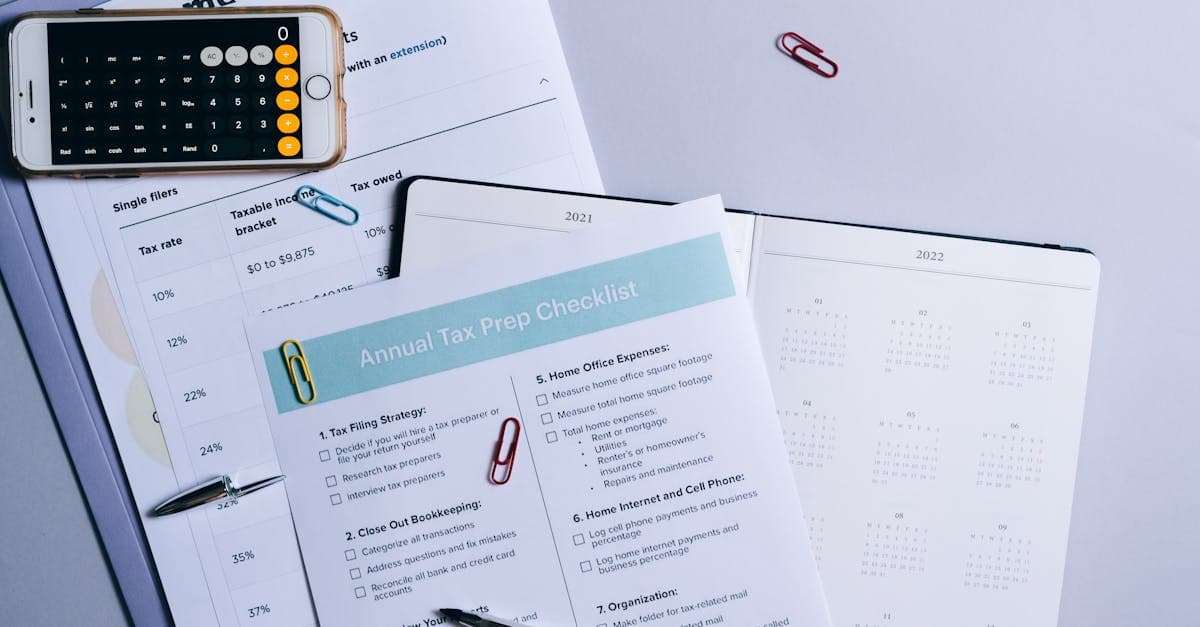
Policy Checkup Before and After Retirement: Adjusting for a New Phase
Retirement changes your income, assets, driving patterns, and insurance needs. A policy checkup at retirement realigns your coverage with your new lifestyle and financial priorities.
How AOB Abuse Drives Up Insurance Premiums for Everyone
Fraudulent and inflated AOB claims increase insurer payouts, which get passed along as higher premiums. Understanding AOB abuse helps you see why reform efforts have gained momentum.