Flood Zones Explained: What Your Flood Zone Means for Insurance

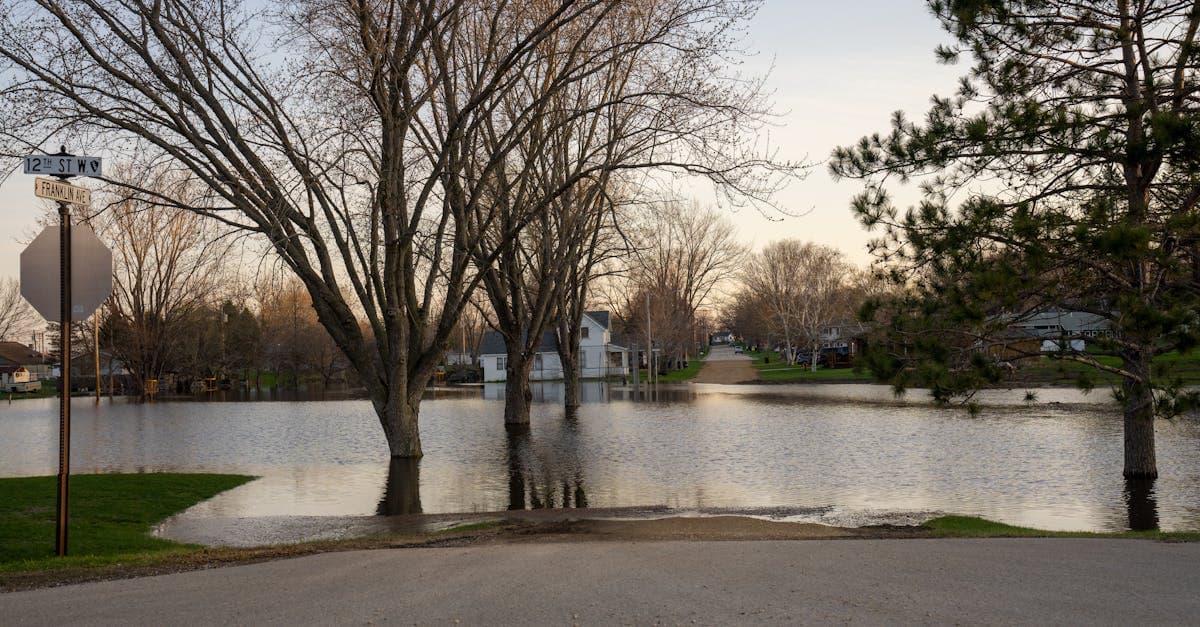
Here is flood insurance in sixty seconds: it is a separate insurance policy that covers damage to your home and belongings caused by flooding. Your homeowners insurance does not cover flood damage at all — not even a little. You need a separate policy.
Flood insurance is available through the National Flood Insurance Program run by FEMA and through private insurance companies. NFIP policies cover up to $250,000 for building damage and $100,000 for contents. Private policies may offer higher limits.
If your home is in a high-risk flood zone and you have a federally backed mortgage, flood insurance is mandatory. If you are in a lower-risk zone, it is optional but strongly recommended. Over 25 percent of flood claims come from outside high-risk zones.
There is a 30-day waiting period before coverage takes effect, so you cannot buy flood insurance when a storm is approaching. Purchase it now, before you need it.
Average annual premiums are around $700 through the NFIP but range from under $200 to over $3,000 depending on your risk level. Average flood claims exceed $25,000. The math strongly favors having coverage.
This guide explains what flood insurance covers, what it excludes, how much it costs, and how to buy it. Every homeowner should understand this coverage because flooding can happen to any property, anywhere in the country.
Flood Insurance and Mortgage Requirements: When Coverage Is Mandatory
This brings us to a critical distinction. Federal law requires flood insurance for certain properties with federally backed mortgages. Understanding these requirements helps you comply with your lender's obligations and avoid costly force-placed coverage.
The mandatory purchase requirement: The Flood Disaster Protection Act of 1973 requires flood insurance for properties in Special Flood Hazard Areas (high-risk zones A and V) that have mortgages from federally regulated or insured lenders. This includes loans backed by Fannie Mae, Freddie Mac, FHA, VA, and USDA.
Coverage amount requirements: Your lender requires flood coverage equal to the lesser of the outstanding mortgage balance, the maximum available under the NFIP ($250,000 for residential), or the replacement cost of the building. The lender verifies coverage at closing and at each renewal.
Force-placed insurance: If you fail to maintain required flood insurance, your lender will purchase coverage on your behalf — called force-placed insurance. Force-placed flood policies are significantly more expensive than standard policies and provide minimal coverage. The cost is added to your mortgage payment.
Escrow requirements: The Biggert-Waters Act requires lenders to escrow flood insurance premiums for loans made, increased, extended, or renewed after January 2016 in high-risk flood zones. Your monthly mortgage payment includes the flood insurance premium just like property taxes and homeowners insurance.
Properties outside high-risk zones: If your property is in a moderate or low-risk zone, your lender generally does not require flood insurance. However, flooding in these zones is common, and your lender may recommend coverage even when it is not mandatory.
Refinancing and flood insurance: When refinancing, your new lender will verify your property's flood zone. If your property is in a high-risk zone, you must have flood insurance in place before closing. If you currently have a flood policy, it can be transferred to satisfy the new lender's requirement without triggering a new waiting period.
Flood Insurance vs Federal Disaster Assistance: Why Insurance Is Superior
The evidence is clear. Many homeowners assume that federal disaster assistance will cover their flood losses if they do not have flood insurance. This assumption is one of the most costly mistakes a homeowner can make. Understanding the difference between insurance and disaster aid is critical.
FEMA grants are limited: The average FEMA disaster grant is approximately $5,000 per household. The maximum individual assistance grant is around $42,500, but most recipients receive far less. Compare this to average flood insurance claims of $52,000. The gap between disaster aid and actual flood damage is enormous.
Disaster loans must be repaid: The primary form of federal flood assistance beyond small grants is SBA disaster loans. These are loans — not gifts — with interest rates around 2 to 4 percent and repayment terms of up to 30 years. A $50,000 SBA loan to repair flood damage adds a second mortgage payment to your household budget.
Disaster declarations are not guaranteed: FEMA assistance requires a presidential disaster declaration. Not all floods trigger a declaration. If your area floods without a federal declaration, no FEMA assistance is available. Flood insurance pays regardless of whether a disaster is declared.
Insurance pays more, faster: Flood insurance claims are processed independently of disaster declarations. Your adjuster inspects the damage, you file your proof of loss, and the insurer pays your claim. The process typically takes weeks, not the months that federal disaster assistance often requires.
The financial comparison: At $700 per year, a homeowner pays $21,000 in flood insurance premiums over 30 years and has access to $250,000 in building coverage and $100,000 in contents coverage for any flood event. Without insurance, they receive $5,000 from FEMA if a disaster is declared — or nothing if it is not — plus the option to take on tens of thousands of dollars in disaster loan debt.
The clear conclusion: Flood insurance is dramatically superior to federal disaster assistance in every measurable way — coverage amount, payment speed, reliability, and total financial impact. Disaster assistance is a last resort, not a substitute for insurance.
How Much Does Flood Insurance Cost? Understanding Premium Factors
The evidence is clear. Flood insurance premiums vary significantly based on multiple factors specific to your property and coverage selections. Understanding these factors helps you anticipate costs and find ways to reduce your premium.
Flood zone designation: Your flood zone is the primary driver of your premium. High-risk zones like AE and VE carry the highest premiums. Moderate-risk zones pay moderate premiums. Low-risk Zone X properties qualify for the lowest rates, often through Preferred Risk Policies.
Building elevation: Your home's elevation relative to the Base Flood Elevation is a critical factor. Homes built above the BFE pay significantly less than homes at or below the BFE. An elevation certificate documents this measurement and can substantially affect your premium.
Construction characteristics: Your home's foundation type, number of floors, building age, and presence of a basement or enclosure all affect your premium. Homes on elevated foundations like pilings or piers generally pay less than slab-on-grade homes in flood zones.
Coverage amounts and deductibles: Higher coverage limits increase your premium while higher deductibles decrease it. Choosing the right balance between coverage and deductible depends on your property value, financial reserves, and risk tolerance.
Risk Rating 2.0 impact: FEMA's updated pricing methodology considers property-specific factors like distance to water, types of flooding, and historical flood frequency. Some properties see premium increases while others benefit from decreases under the new system.
Average premium ranges: NFIP premiums average approximately $700 per year nationally. Preferred Risk Policies in low-risk zones may cost $129 to $400. Standard-rated policies in high-risk zones typically range from $800 to $3,000 or more. Private flood insurance may offer competitive alternatives at any risk level.
Flood Insurance Contents Coverage: Protecting Your Personal Property
This brings us to a critical distinction. Contents coverage is an essential but often overlooked component of flood insurance. Understanding what it covers and how it works is stocking your insurance pantry with dedicated flood coverage so when rising water threatens your home you have every ingredient needed to prepare a complete financial recovery without substitution or shortage for every homeowner and renter in a flood-prone area.
What contents coverage protects: Contents flood coverage pays to replace personal property damaged by flooding: furniture, clothing, electronics, small appliances, area rugs, curtains, portable air conditioners, food freezers and their contents, and certain valuable items up to $2,500 per item.
Coverage limits: NFIP contents coverage maxes out at $100,000 for residential properties. If your personal property is worth more than $100,000, consider excess contents coverage from a private flood insurer. Renters can purchase contents-only flood coverage without building coverage.
Actual cash value vs replacement cost: NFIP contents coverage pays actual cash value — the replacement cost minus depreciation. A five-year-old television that cost $1,000 might receive $400 in actual cash value after depreciation. Some private flood policies offer replacement cost coverage for contents, which pays the full replacement cost without depreciation.
Basement contents exclusion: Personal property stored in basements is not covered by flood insurance. Electronics, furniture, holiday decorations, memorabilia, and other items kept in below-grade areas receive zero coverage from your flood policy.
Documenting your contents: Before a flood occurs, create a detailed inventory of your personal property with photographs, receipts, and estimated values. This documentation dramatically speeds the claims process and helps ensure you receive the full value of your covered losses.
Coverage for specific items: High-value items like jewelry, art, and collectibles may have limited coverage under flood insurance. If you have valuable collections or individual items worth more than $2,500, discuss supplemental coverage options with your agent to ensure adequate protection.
Flood Zones Explained: Understanding Your Property's Risk Designation
The evidence is clear. FEMA designates flood zones across the country that categorize areas by their flood risk level. Your flood zone determines whether flood insurance is mandatory, affects your premium, and indicates the likelihood of flooding at your property.
High-risk zones (Special Flood Hazard Areas): Zones beginning with A or V are high-risk flood areas. Zone AE has a 1 percent annual chance of flooding — commonly called the 100-year floodplain. Zone VE is the same risk level plus coastal wave action. Properties in these zones with federally backed mortgages must carry flood insurance.
Moderate-risk zones: Zone B and Zone X (shaded) indicate moderate flood risk — areas between the 100-year and 500-year floodplains. Flood insurance is not mandatory but is strongly recommended. These areas have a real and documented flood risk that justifies coverage.
Low-risk zones: Zone C and Zone X (unshaded) indicate minimal flood risk. Flood insurance is not required but remains available and affordable. Importantly, over 25 percent of all NFIP claims come from properties in these supposedly low-risk zones.
Coastal high-hazard zones: Zone V areas face the highest coastal flood risk including wave action. Properties in V zones face the highest premiums and the strictest building requirements. Storm surge from hurricanes and tropical storms creates devastating flood risk in these areas.
Finding your flood zone: Enter your address at FEMA's Flood Map Service Center to find your property's flood zone designation. Your insurance agent, mortgage lender, or local planning office can also provide this information. The flood zone directly affects your insurance requirement and premium.
Challenging your flood zone: If you believe your property is incorrectly mapped in a high-risk zone, you can request a Letter of Map Amendment from FEMA. An elevation certificate from a licensed surveyor provides the documentation needed to support your request. A successful LOMA can eliminate your mandatory purchase requirement and significantly reduce your premium.
Flood Mitigation: Reducing Both Your Risk and Your Premium
This brings us to a critical distinction. Flood mitigation measures serve the dual purpose of reducing your flood damage risk and lowering your flood insurance premium. Investing in mitigation protects both your property and your wallet.
Home elevation: Raising your home above the base flood elevation is the most effective mitigation measure. Elevation can reduce flood insurance premiums by 50 percent or more and dramatically reduces the likelihood of flood damage. The cost ranges from $30,000 to $100,000 depending on the home's size and foundation type.
Flood vents: Installing engineered flood vents in enclosed areas below your living space allows floodwater to flow through rather than build up pressure against walls. Proper flood vents can qualify you for lower premiums by reducing structural damage risk.
Elevated utilities: Moving electrical panels, HVAC systems, water heaters, and washer-dryers above the base flood elevation reduces damage from minor floods and may qualify for premium reductions. This is one of the most cost-effective mitigation measures.
Backflow prevention: Installing backflow valves on sewer and drain lines prevents floodwater from entering your home through the plumbing system. While this does not reduce flood insurance premiums directly, it prevents one of the most common and destructive flood entry points.
Grading and drainage: Improving the grading around your home so water flows away from the foundation rather than toward it reduces both surface water intrusion and foundation damage. Combined with proper gutter systems and drainage, this creates an effective first line of defense.
Community-level mitigation: Your community's participation in the Community Rating System can reduce NFIP premiums for all residents by 5 to 45 percent. CRS rewards communities that implement flood warning systems, floodplain management, and public education programs. Support local mitigation efforts to benefit from these collective premium discounts.
NFIP vs Private Flood Insurance: Comparing Your Coverage Options
This brings us to a critical distinction. The flood insurance market offers two main sources of coverage: the National Flood Insurance Program managed by FEMA and private flood insurance carriers. Understanding the differences helps you choose the right option for your situation.
NFIP advantages: The NFIP is backed by the federal government, meaning it will pay valid claims regardless of the volume of flood losses in any given year. Coverage and pricing are standardized, so you know exactly what you are getting. NFIP policies are available in any participating community regardless of your property's flood risk level.
NFIP limitations: NFIP coverage is capped at $250,000 for building and $100,000 for contents. The program does not cover additional living expenses if you are displaced. Basement coverage is limited to essential systems only. And NFIP premiums do not always reflect competitive market pricing.
Private flood insurance advantages: Private carriers may offer higher coverage limits — $500,000, $1,000,000, or more for building coverage. Some private policies include additional living expenses, broader basement coverage, and replacement cost coverage for contents. Private carriers may also offer shorter waiting periods and competitive pricing.
Private flood insurance considerations: Private policies are not backed by the federal government, so the carrier's financial stability matters. Coverage terms vary between carriers, requiring careful comparison. Some mortgage lenders may prefer NFIP policies over private alternatives.
Which to choose: For properties valued under $250,000, the NFIP may provide sufficient coverage at competitive rates. For higher-value properties or homeowners seeking broader coverage, private flood insurance often provides better protection. Many homeowners benefit from getting quotes from both sources and comparing coverage details, not just premiums.
The hybrid approach: Some homeowners purchase an NFIP policy for the base coverage and an excess flood policy from a private carrier for amounts above the NFIP limits. This approach combines the reliability of federal backing with higher coverage limits.
The Future of Flood Insurance in America
Flood insurance is evolving as climate change, market innovation, and regulatory reform reshape the landscape. Several trends will affect homeowners in the coming years.
Climate change is expanding flood risk beyond traditional flood zones. Areas that never flooded are experiencing new flood events from heavier rainfall, sea level rise, and changing weather patterns. Flood insurance will become relevant to an increasingly broad set of homeowners.
The private flood insurance market continues to grow, offering competition and innovation that may improve coverage options and pricing for consumers. Technology-driven flood models enable more accurate individual risk assessment, which benefits homeowners whose risk was previously overstated.
NFIP reform remains an ongoing legislative challenge. The program's debt exceeds $20 billion, and Congress must balance actuarial sustainability with affordability for homeowners. Future reforms may reshape premium structures, coverage options, and the program's financial foundation.
Regardless of how the market evolves, the fundamental need for flood insurance will only grow. Homeowners who understand flood risk and maintain adequate coverage will be positioned to weather whatever flooding the future brings.
Continue reading

Online Insurance Quotes vs Agent Quotes: Which Should You Trust?
Online quote tools offer convenience but often use default assumptions that may not match your situation. Understanding the differences between digital quotes and agent-prepared quotes helps you shop smarter.

Policy Checkup Before and After Retirement: Adjusting for a New Phase
Retirement changes your income, assets, driving patterns, and insurance needs. A policy checkup at retirement realigns your coverage with your new lifestyle and financial priorities.

How AOB Abuse Drives Up Insurance Premiums for Everyone
Fraudulent and inflated AOB claims increase insurer payouts, which get passed along as higher premiums. Understanding AOB abuse helps you see why reform efforts have gained momentum.